Water Damage
Restoration in
Wheaton, IL
Flooding, burst pipes, plumbing leaks, sewage backups and hidden moisture can quickly affect floors, walls and other building materials. Our water damage restoration in Wheaton, IL helps homeowners and businesses take control of the problem with professional assessment, water extraction, mitigation, structural drying, cleanup and property restoration.
We identify the affected areas, remove standing water, track remaining moisture and plan the next steps based on the condition of the property. From the first inspection through drying and restoration, our focus is clear on to control the damage, protect affected materials where possible and move your property toward recovery.
Technicians
Checked
Restoration Process
Response
Need Water Damage Help?
Tell us what happened and request service. We’ll respond as quickly as possible.
Fast Local Response
Service focused on Wheaton and nearby DuPage County communities. We’re ready 24/7.
Residential + Commercial
Restoration planning for homes, rentals, offices and local businesses.
Moisture-Focused Drying
Advanced drying solutions that remove moisture, help prevent mold and protect your property.
Clear Documentation
Photos, moisture notes and a defined work scope keep the project organized.
WHAT WE OFFER
Water Damage Restoration for Wheaten Homes and Businesses
Water damage can start with a burst pipe, flooded basement, roof leak, appliance failure, sewage backup or another source of water intrusion. We provide restoration support for homeowners, businesses, and property managers across Wheaton and the wider DuPage County area.Every job starts with an inspection to find the source, identify the affected areas and check how far moisture has travelled. Standing water is removed first, followed by targeted drying and dehumidification to address moisture in floors, walls, subfloors and other building materials.
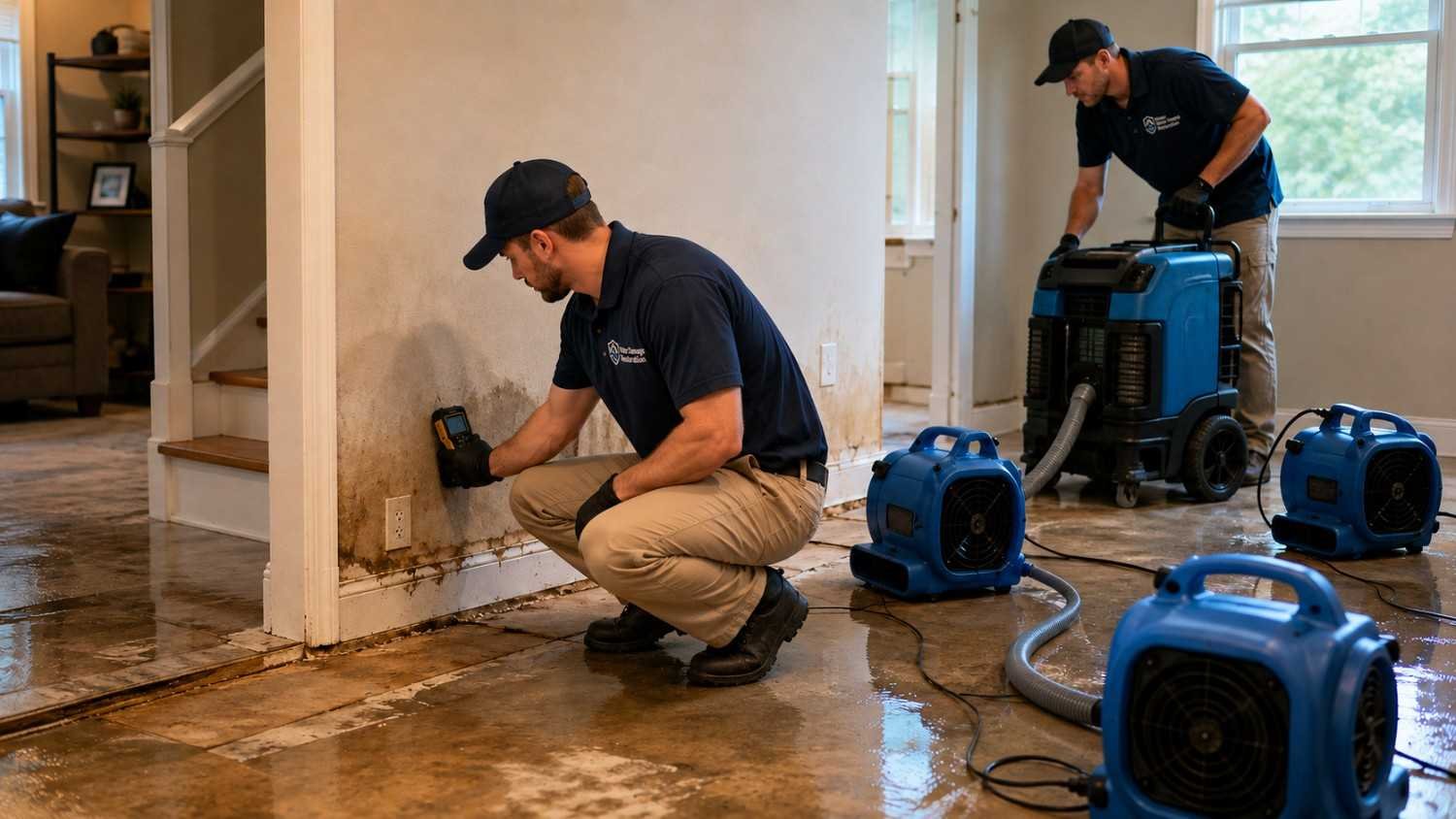
RESTORING SAFER, DRIER SPACES
Moisture detection is important because materials can remain wet even when the surface looks dry. Our restoration scope can include water extraction, mitigation, structural drying, cleanup, sanitization and repairs, depending on the type and extent of the damage.
Where building materials cannot be restored, damaged sections may need removal and reconstruction.The goal is not simply to remove visible water. It is to control remaining moisture, address affected materials and move the property through a clear restoration process toward safe, usable conditions
— Services
DEDICATED RESTORATION SERVICES
Water Damage Restoration Services in Wheaton, IL
From emergency water removal and flood cleanup to structural drying, specialty restoration and repairs, explore the dedicated service that matches your property’s situation.
Choose the service that best matches what happened.
37 Years
of Restoration Experience Provide Services for residential and commercial properties.
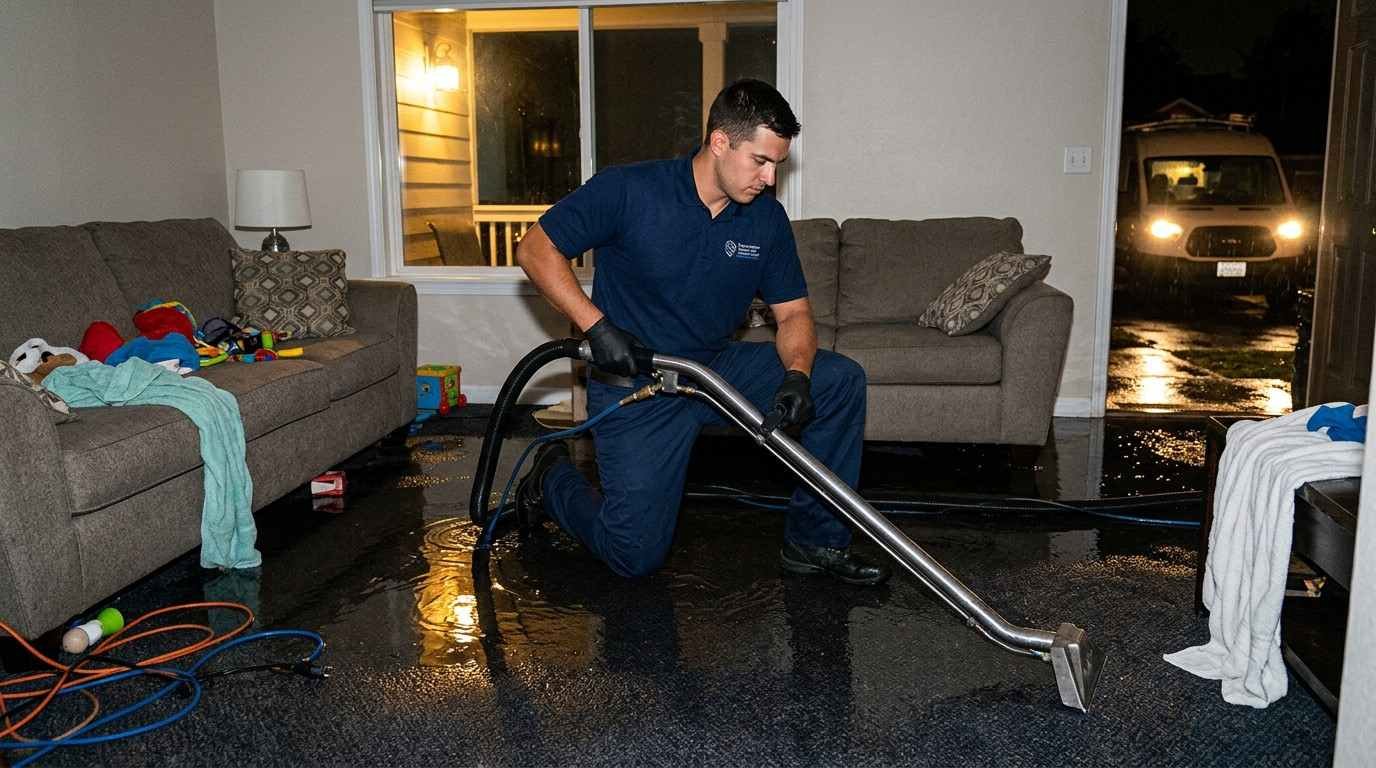
24/7 Emergency Water Extraction & Removal
Fast removal of standing water to help limit spread and begin the drying process.
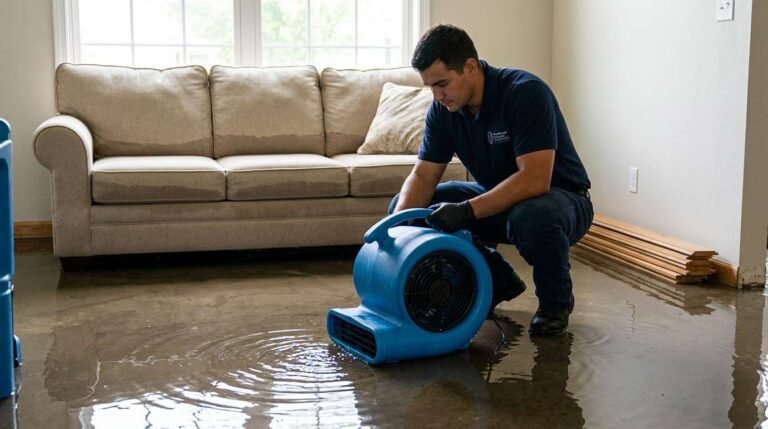
Flood Damage Restoration & Cleanup
Cleanup and restoration for indoor flooding affecting floors, walls and contents.
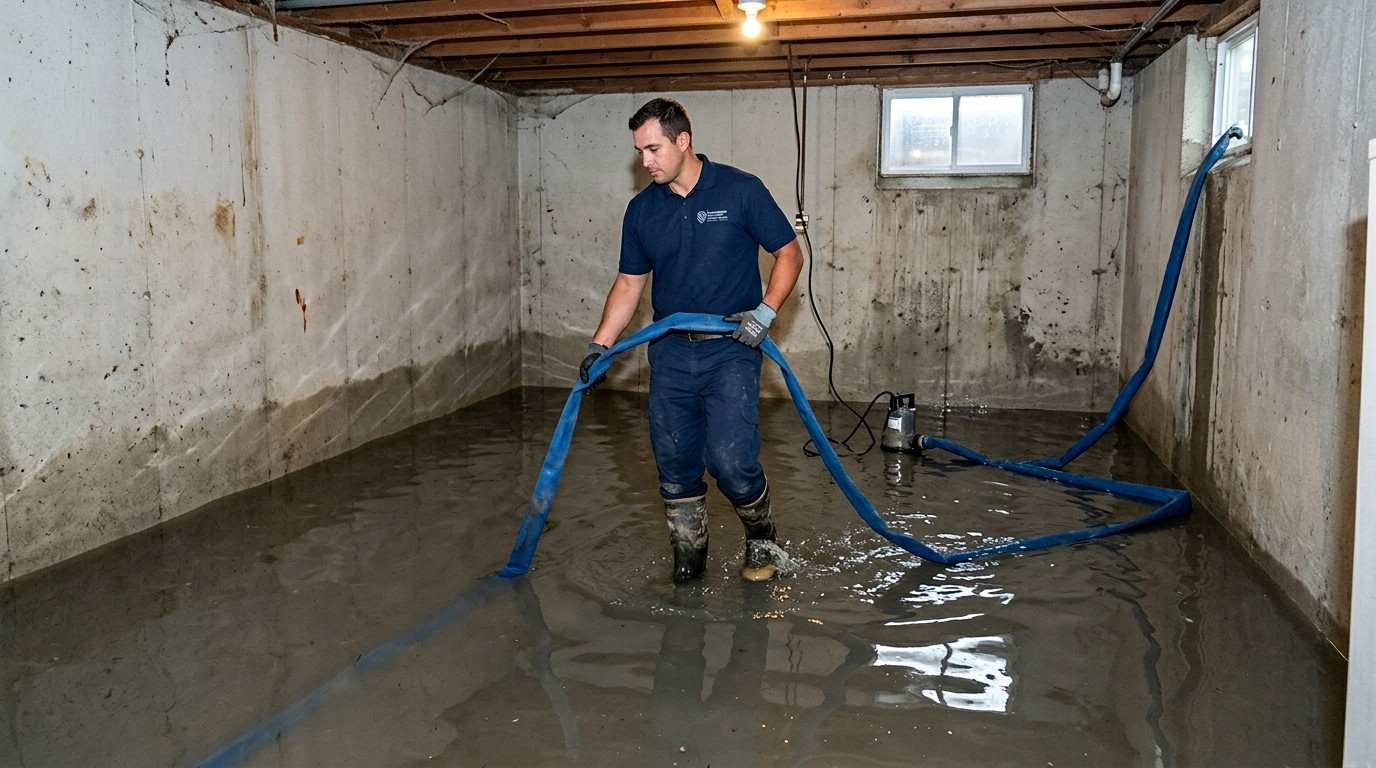
Basement Flood Cleanup
Water removal and moisture control for flooded basements and lower-level spaces.
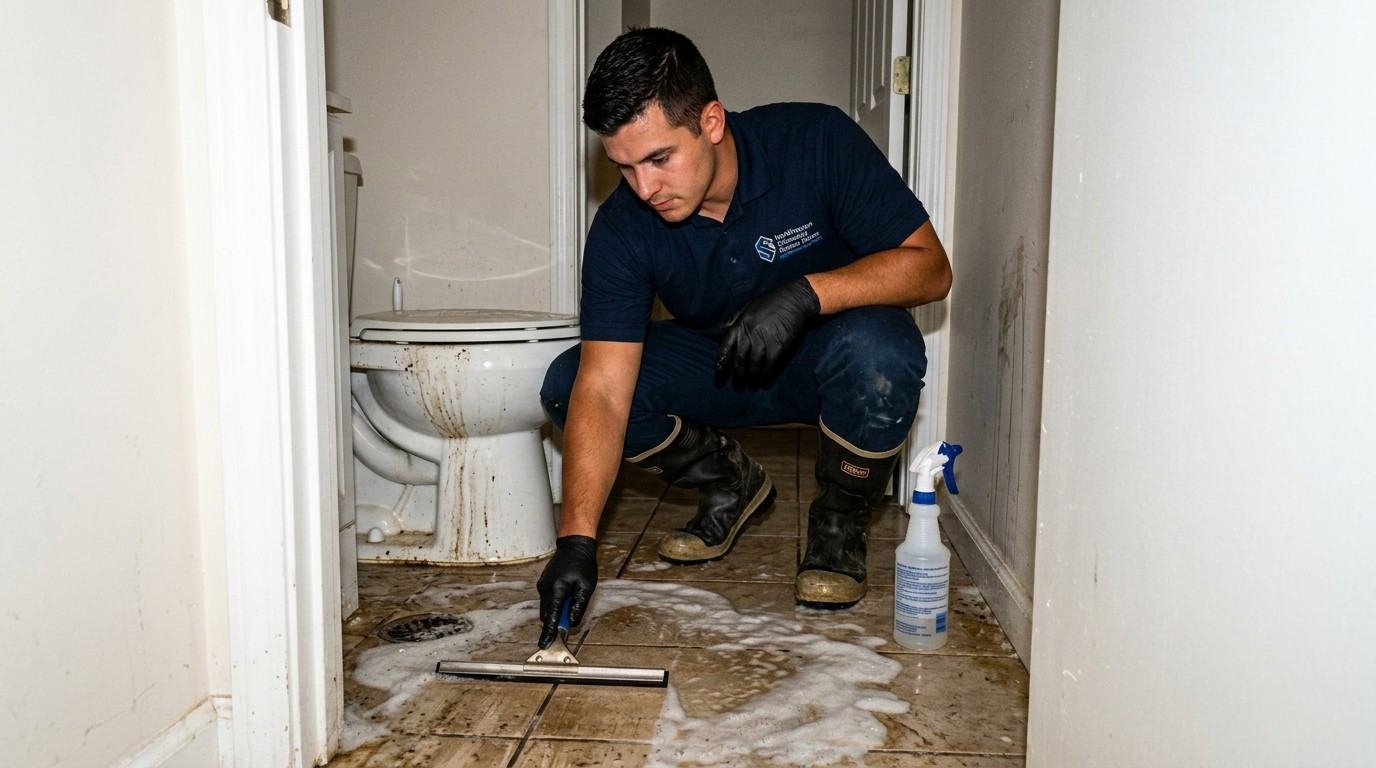
Sewage Backup Cleanup
Careful removal, cleanup and sanitization for contaminated water events.
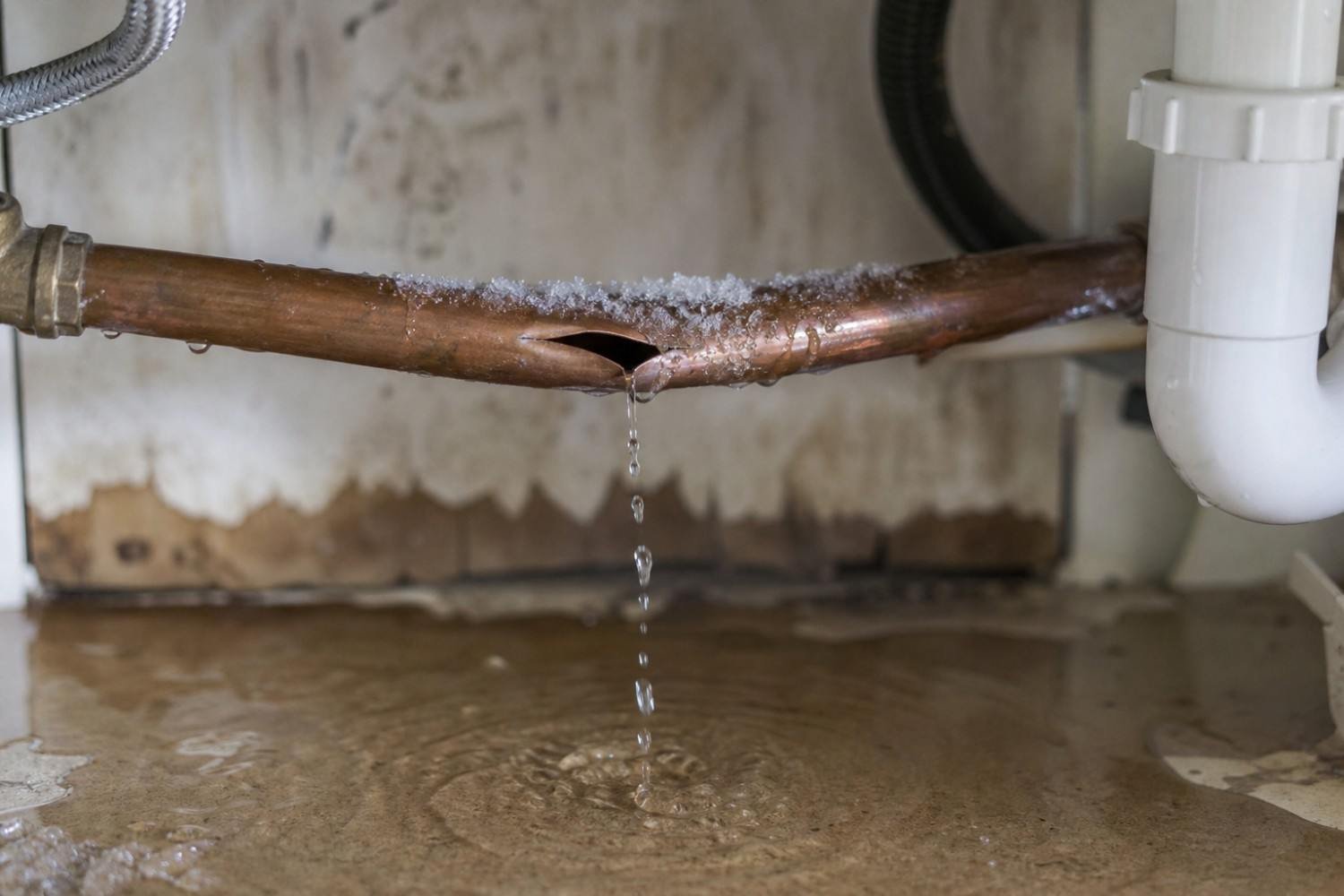
Burst & Frozen Pipe Water Damage Cleanup
Restoration for sudden pipe failures and hidden moisture inside building materials.
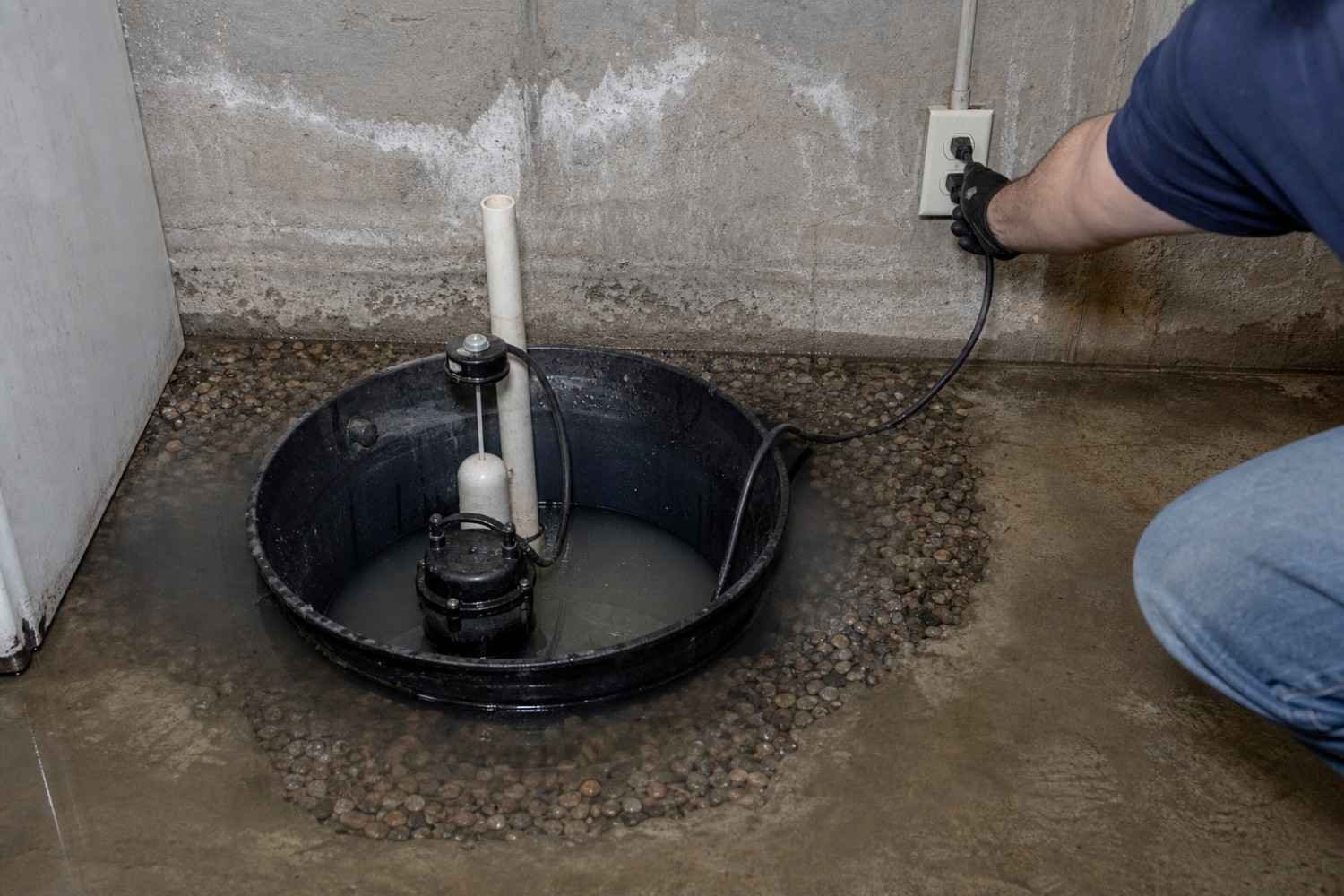
Sump Pump Failure Cleanup
Cleanup after sump pump failure, overflow or backup affects basement areas.
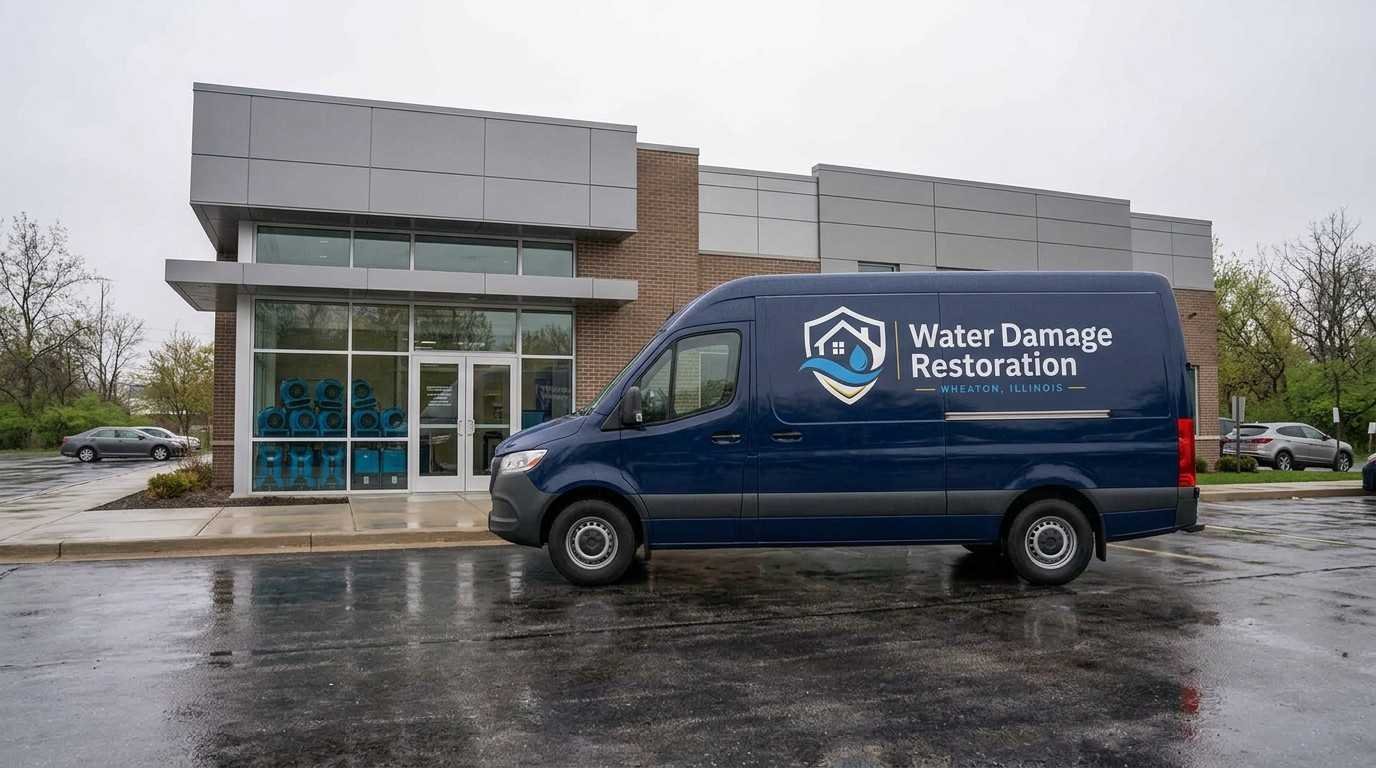
Commercial Water Damage Restoration
Coordinated restoration for offices, retail, managed buildings and facilities.
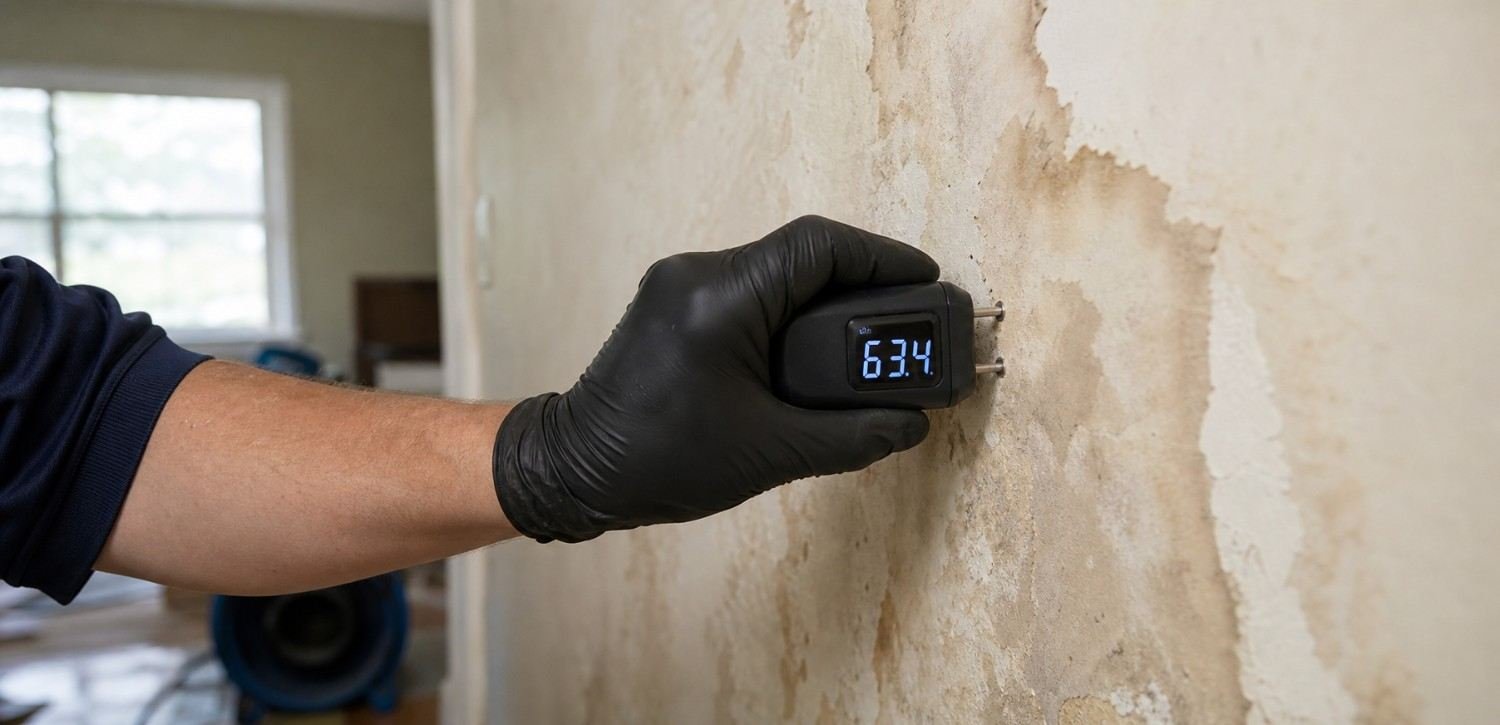
Water Damage Inspection & Moisture Detection
Assessment and moisture detection for areas that may not look visibly wet.
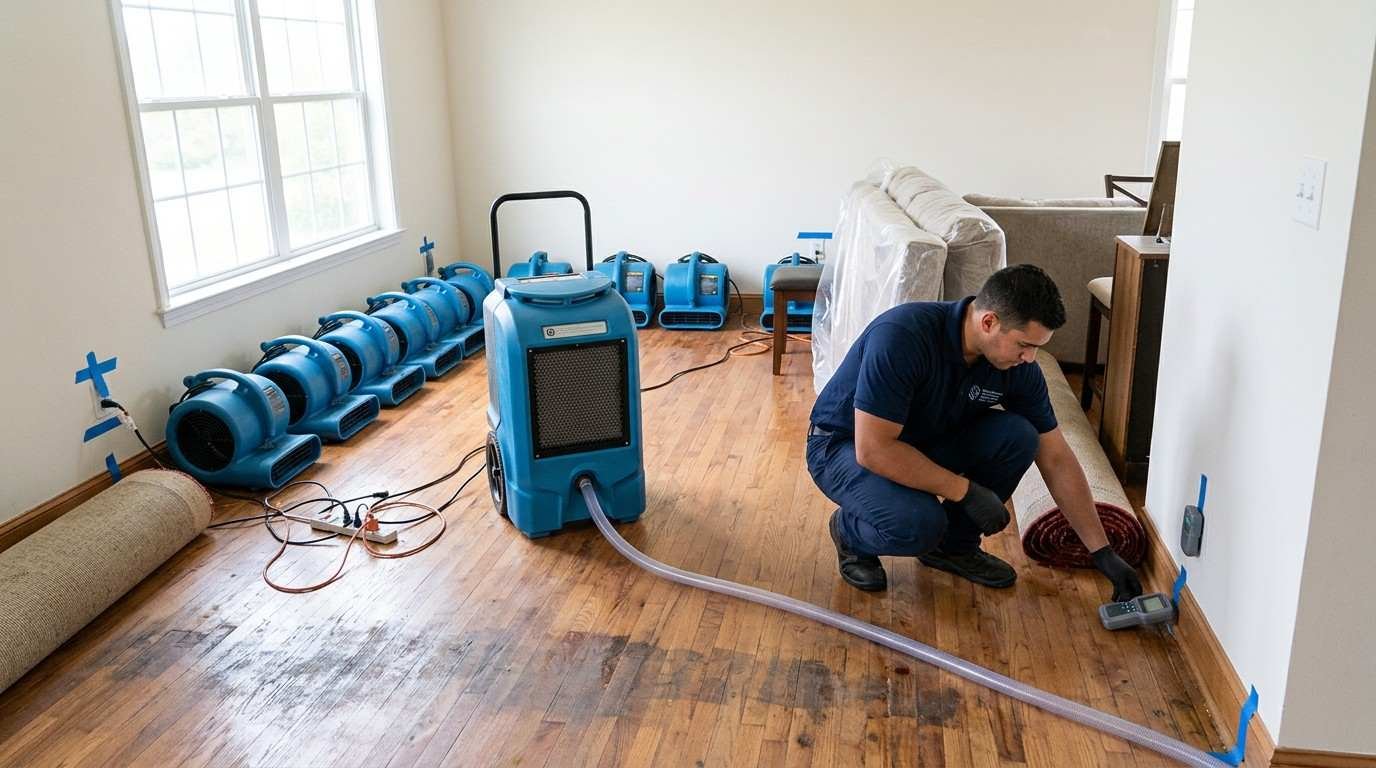
Structural Drying & Dehumidification
Targeted airflow, dehumidification and moisture monitoring for wet materials.
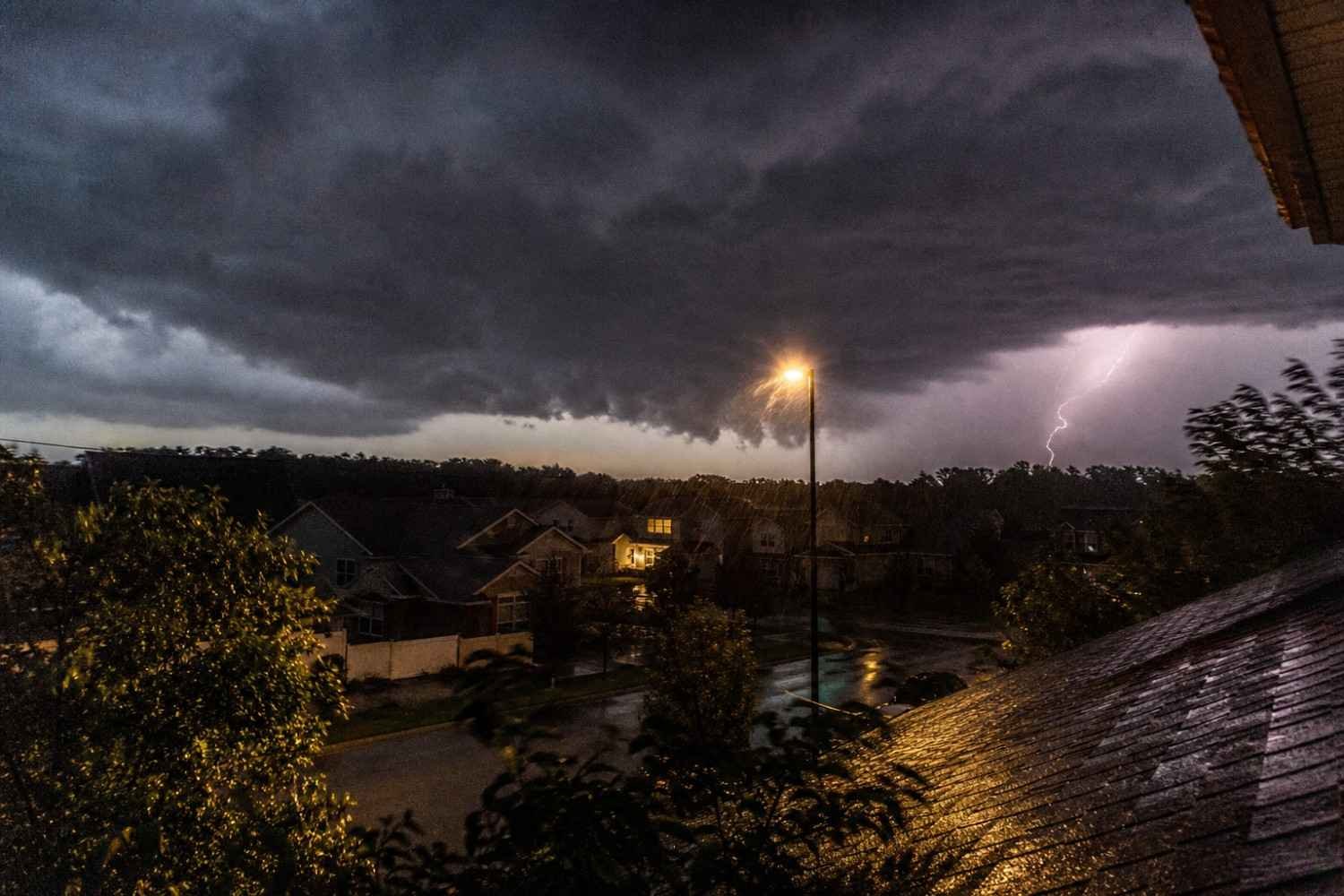
Storm Water Damage Restoration
Restoration support for storm-related water intrusion and severe weather events.
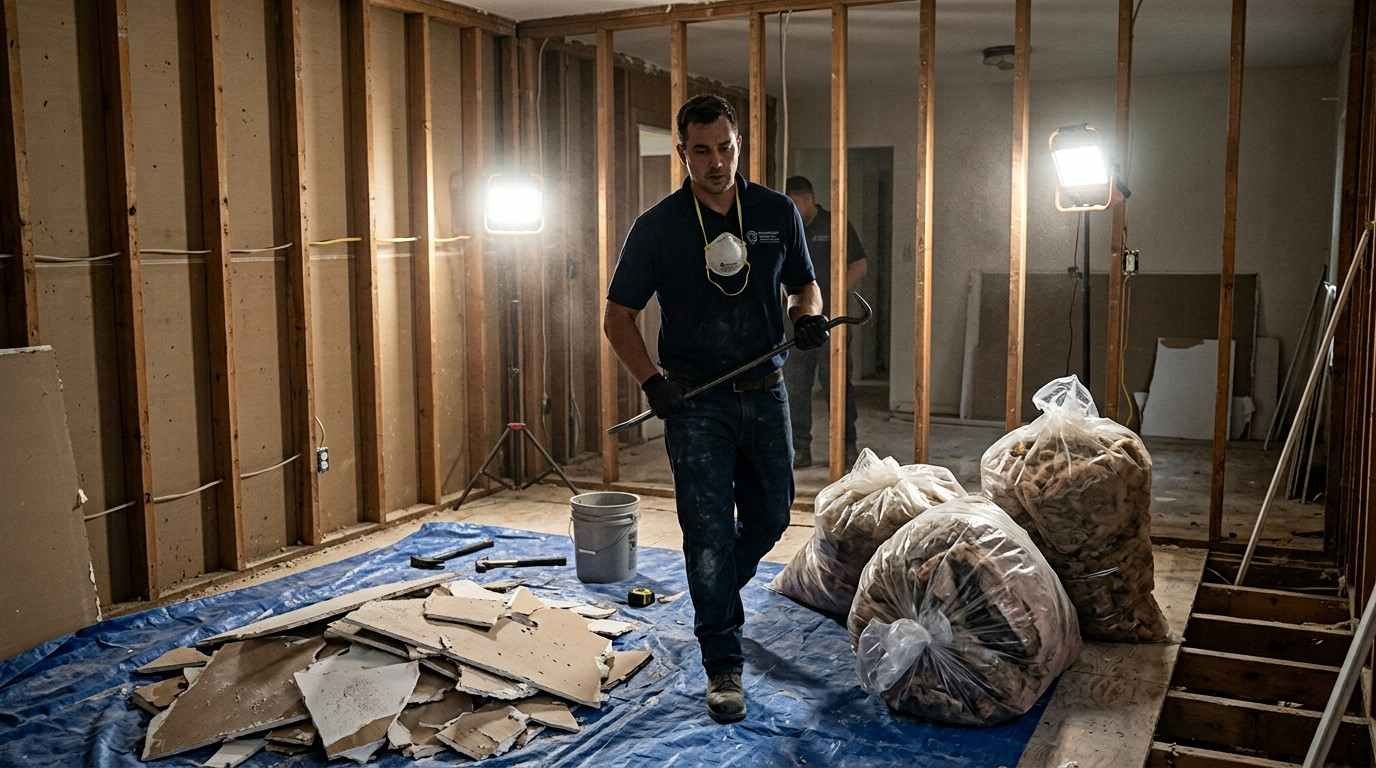
Water Damage Repair & Reconstruction
Repair and reconstruction for materials that cannot be restored by drying alone.
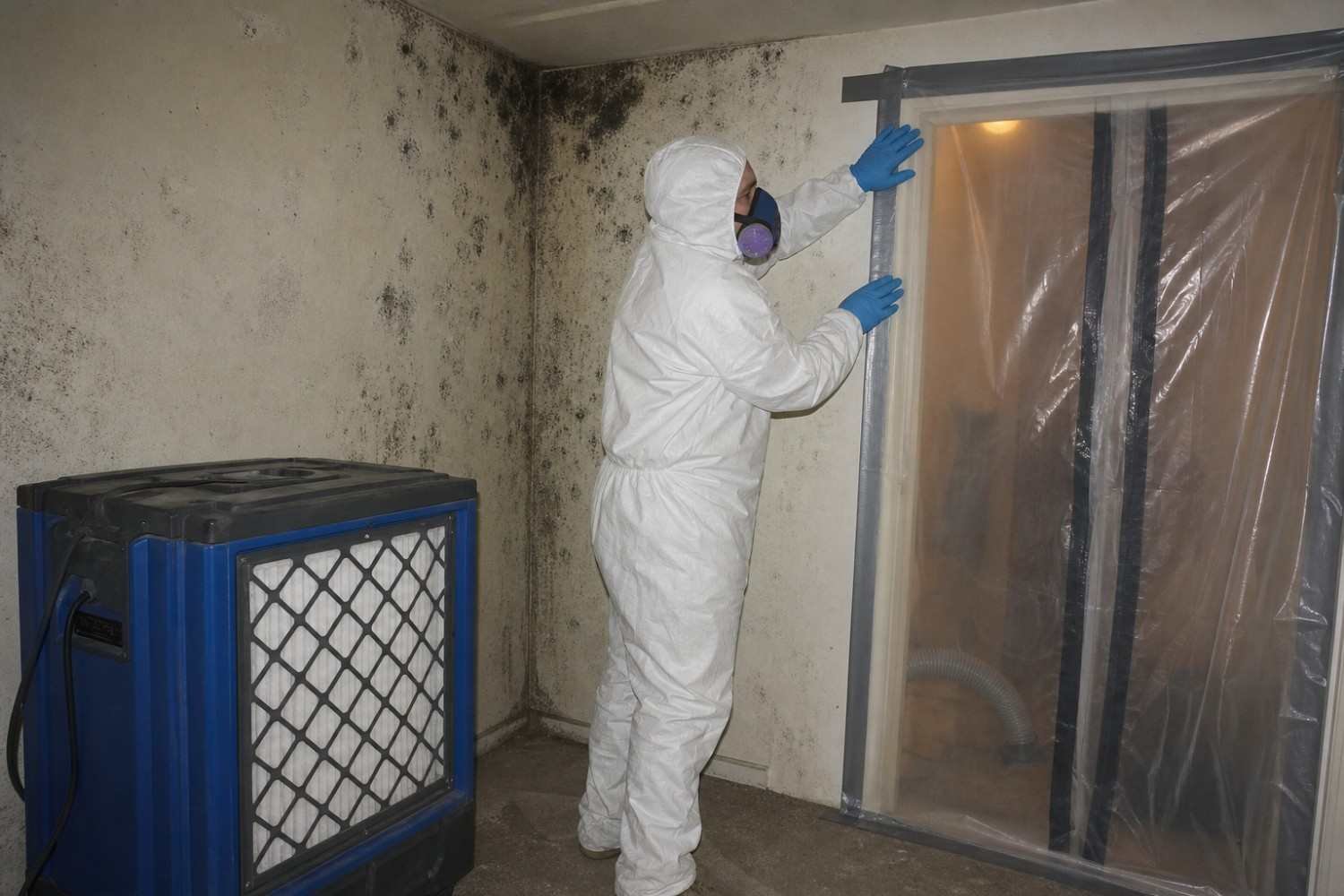
Mold Remediation After Water Damage
Remediation support where persistent moisture contributes to mold growth.
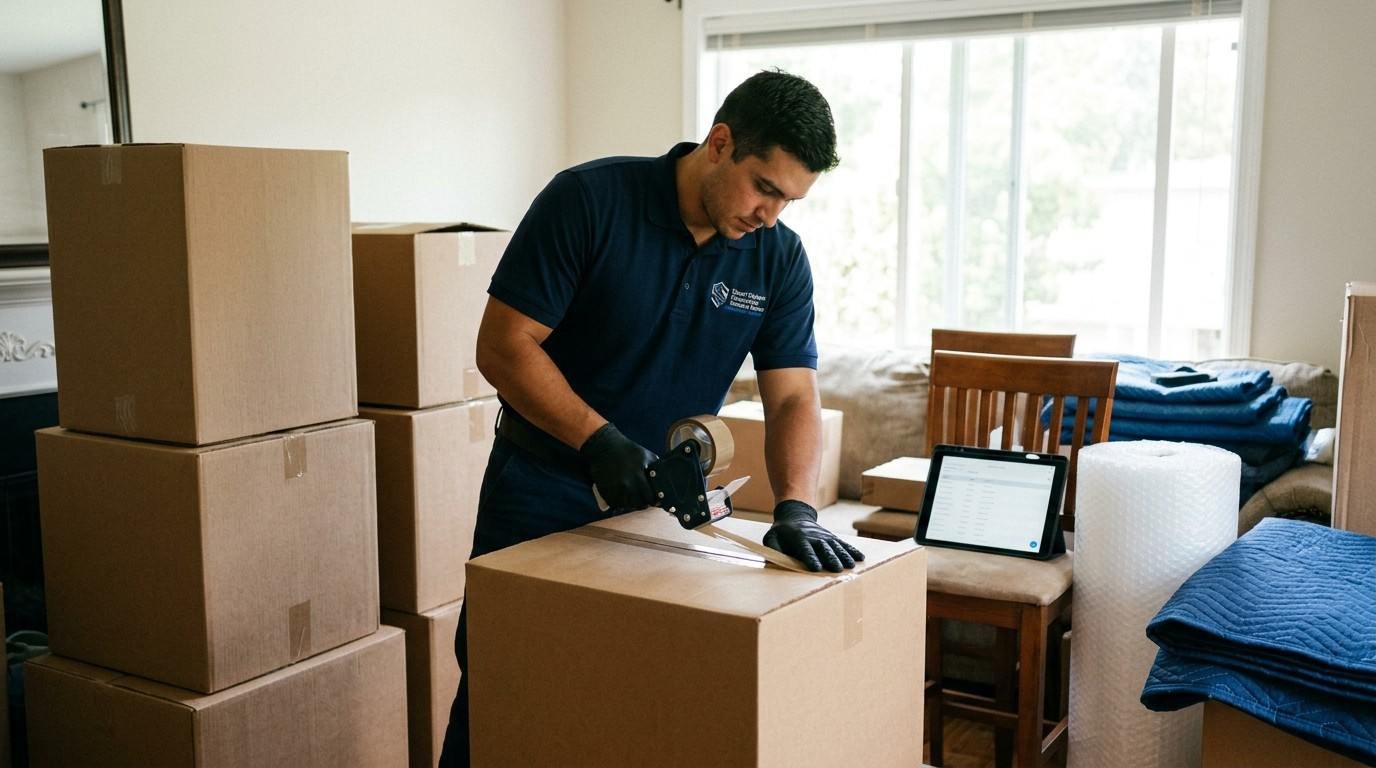
Contents Restoration & Pack-Out
Organized handling, pack-out and restoration support for affected belongings.
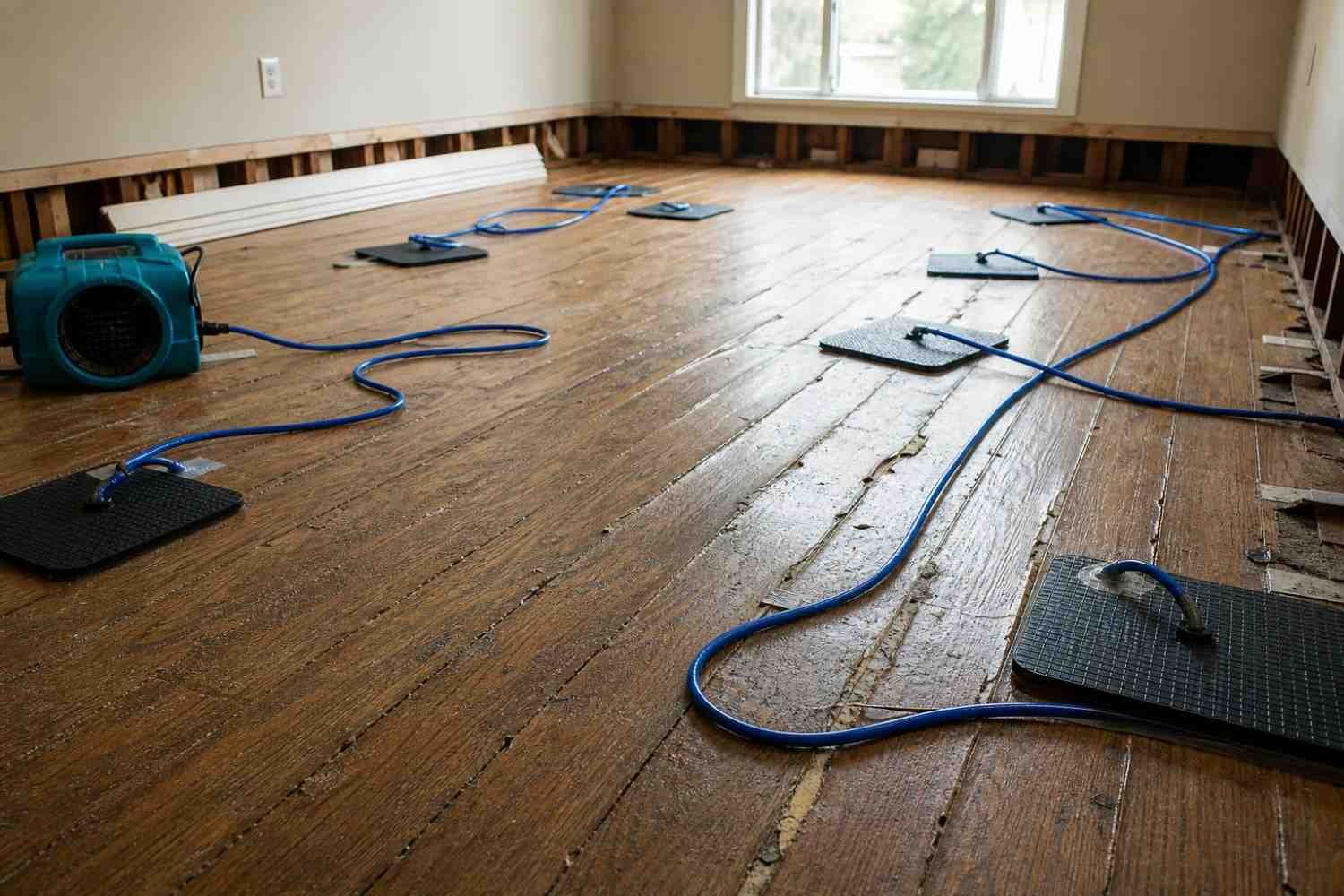
Hardwood Floor Water Damage & Drying
Moisture assessment and drying support for water-affected wood flooring.
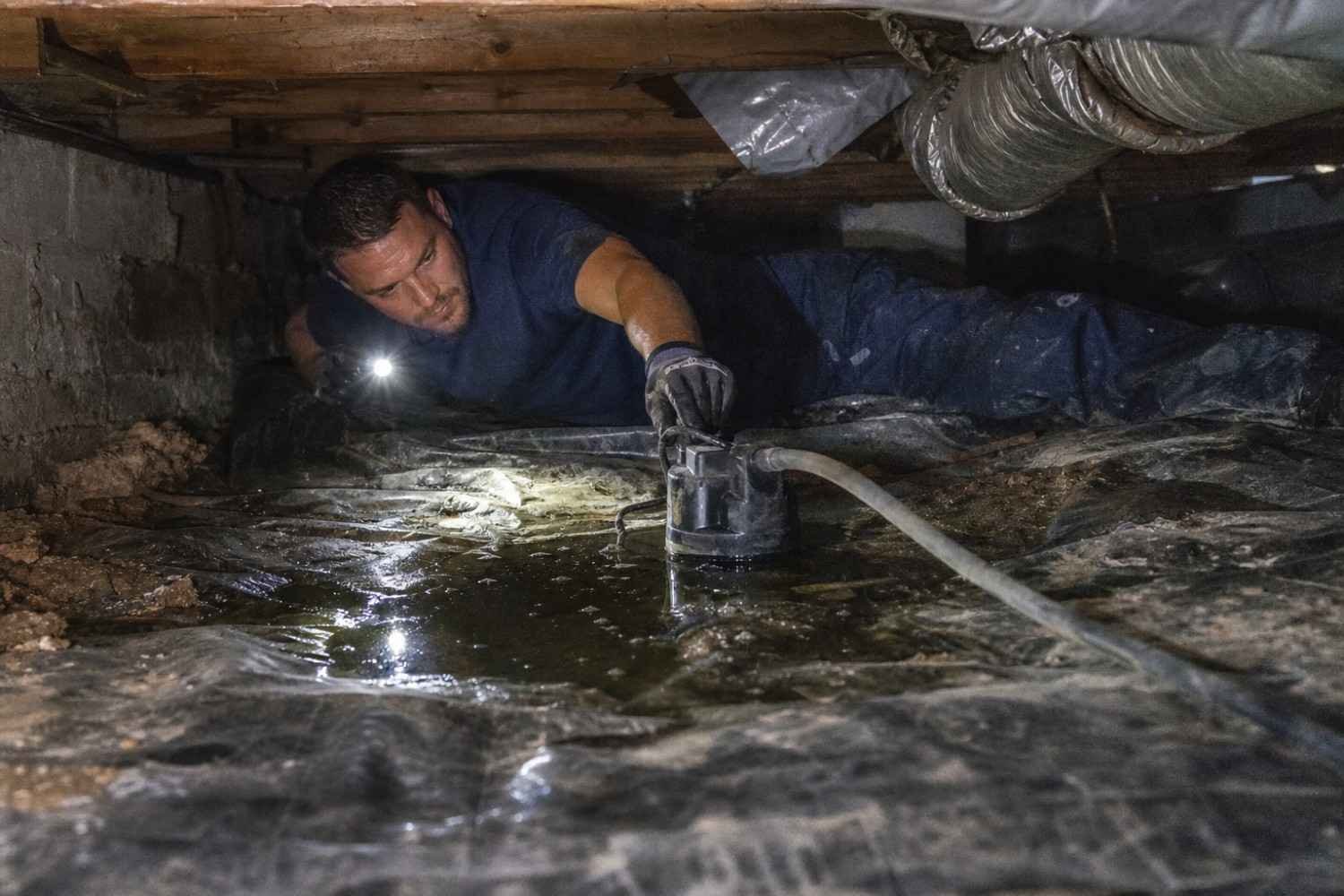
Crawl Space Water Damage Cleanup
Cleanup and moisture control for crawl spaces affected by leaks or flooding.
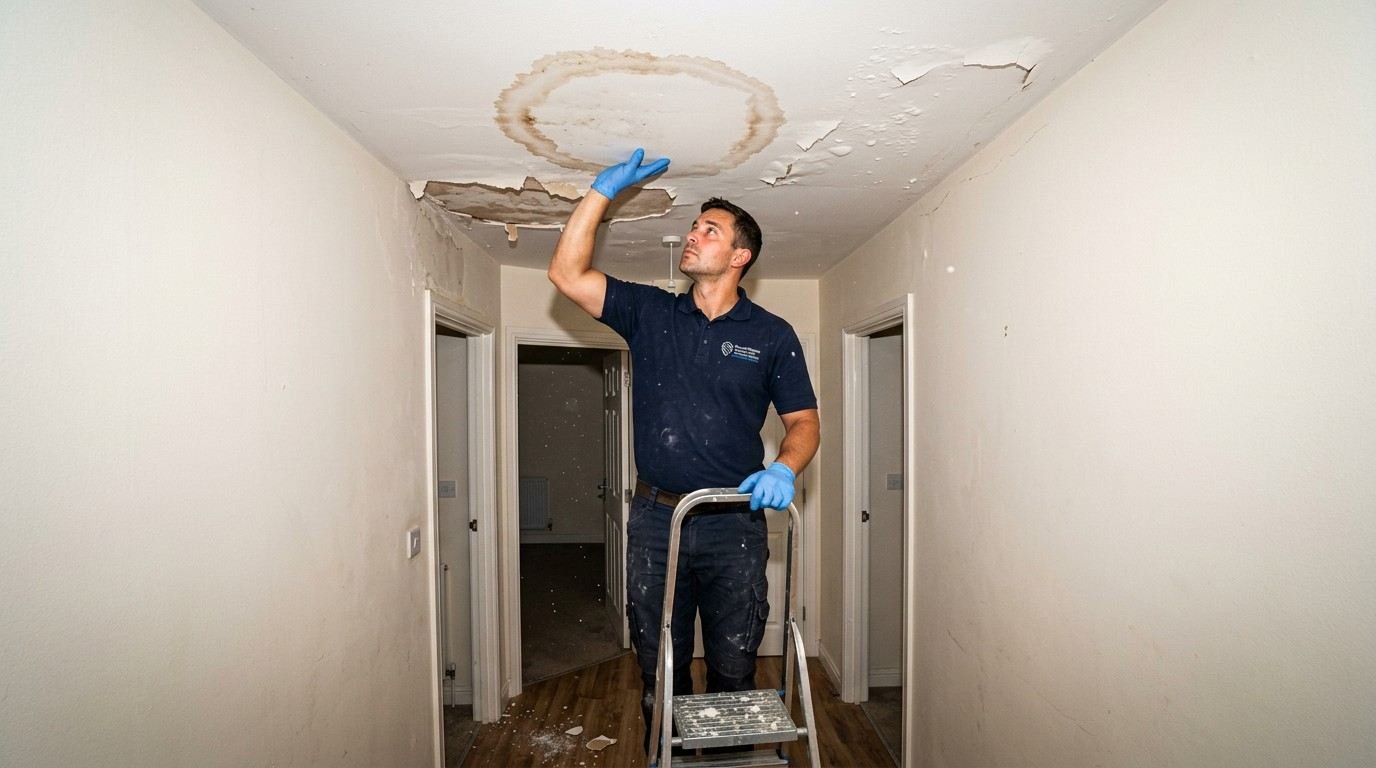
Ceiling & Wall Water Damage Restoration
Restoration for water-damaged drywall, ceilings, wall cavities and finishes.
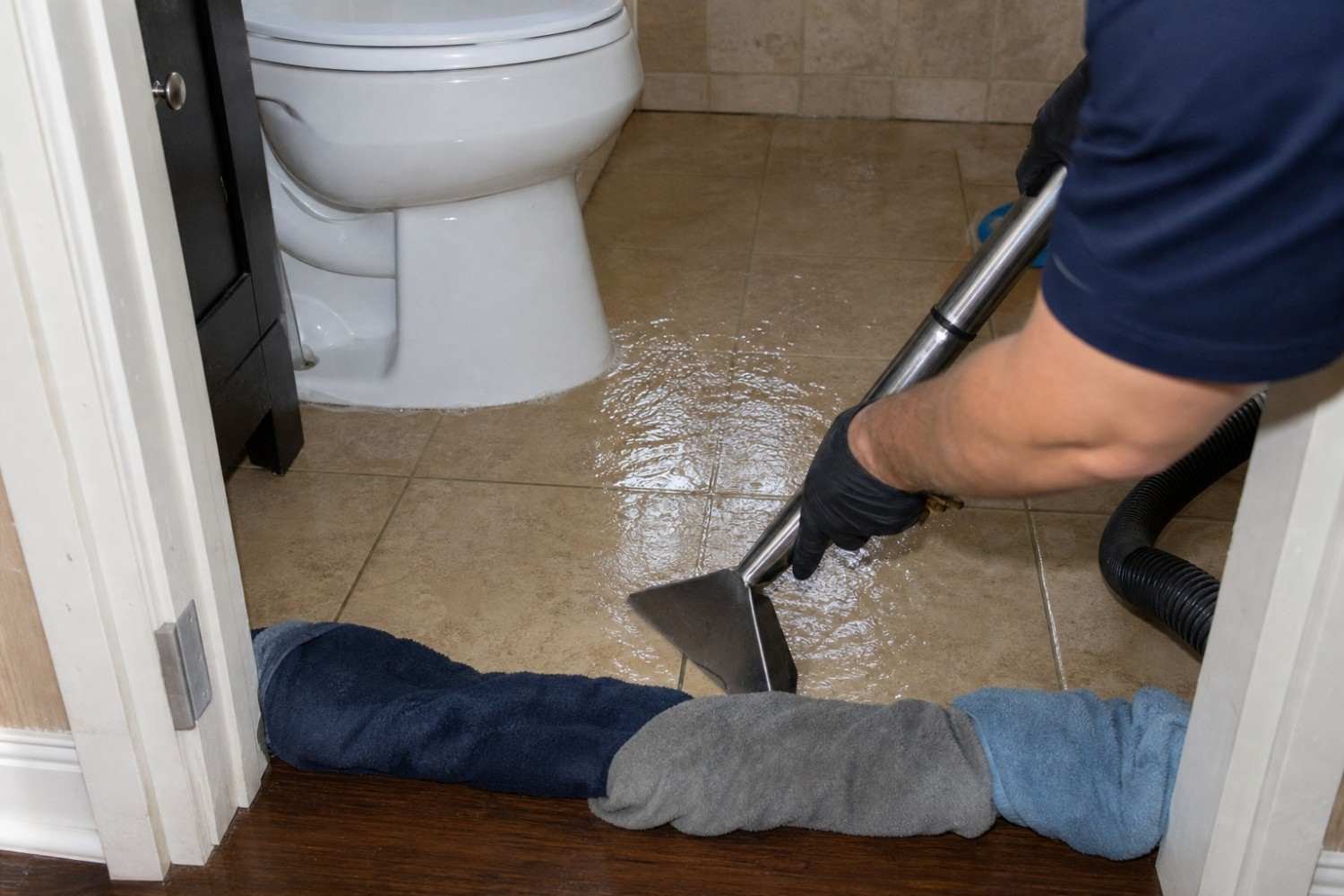
Toilet Overflow Cleanup
Cleanup and moisture control after toilet overflows affect nearby materials.
NEED HELP NOW?
Not sure which water damage service you need?
Tell us what happened and which areas are affected. We can help identify the appropriate next step for your property. Our team is ready to assist and guide you to the right solution.
PROPERTY SOLUTIONS
Water Damage Restoration in Wheaton
Residential Water Damage Restoration
Aater damage at home can spread beyond the area where it first appears, affecting flooring, drywall, ceilings and other building materials. We provide residential water damage restoration with a clear plan for water removal, drying, moisture monitoring and repairs based on the condition of the home.
Residential Properties & Areas We Serve
Single-Family Homes
Burst pipes, appliance leaks, roof leaks and flooding can affect one or several areas of a home. We identify the extent of the damage and plan drying and restoration around the materials involved.
Apartments & Condos
Water can move through shared walls, ceilings and flooring into neighboring areas. We document affected spaces and coordinate drying while helping protect unaffected areas where practical.
Townhomes
Leaks and flooding may affect multiple floors, wall cavities or connected living spaces. Moisture detection helps identify hidden water and determine the appropriate restoration scope.
Basements & Utility Areas
Basement flooding, sump pump problems and plumbing failures can leave standing water and moisture in flooring, lower walls and stored areas. We remove water and begin structural drying as needed.
Kitchens, Bathrooms & Living Areas
Throughout the restoration process, we monitor moisture conditions, document the work and explain the next steps. Where insurance is involved, photos, moisture records and restoration documentation can also help support the claim process.
A SAFER, DRIER HOME FOR YOUR FAMILY
Commercial Water Damage Restoration in Wheaton
Commercial water damage can disrupt operations, affect tenants or customers and create larger drying and restoration needs. We provide coordinated water damage restoration for commercial properties in Wheaton, with clear documentation, moisture monitoring and communication throughout the project.
Commercial Properties We Serve
Offices
Water damage can affect work areas, flooring, ceilings, walls and shared spaces. We coordinate extraction and drying while helping limit unnecessary disruption to employees and daily operations.
Retail Locations
Leaks or flooding can interrupt customer access and damage merchandise areas, flooring and interior finishes. Where practical, restoration work can be staged to keep unaffected areas accessible.
Apartments & Multi-Unit Properties
Water can move between units, floors and shared building areas. We work with property managers to identify affected spaces, document conditions and coordinate the restoration scope.
Managed Buildings
Property managers need clear updates, documentation and organized scheduling. We provide moisture readings, drying progress information and communication throughout the restoration process.
Commercial Facilities
Larger buildings may require access planning, multiple drying areas, and phased restoration. We coordinate structural drying and recovery work based on the size and condition of the affected area. Our goal is to address commercial water damage efficiently while helping reduce avoidable business interruption and keeping property managers informed from assessment through restoration.
KEEPING YOUR BUSINESS MOVING

Why Property Owners Choose Our Water Damage Restoration Team
Choosing a restoration company means trusting someone with the condition of your property, not just the water you can see. Our approach is built around measurable drying, clear documentation and a restoration scope based on what the inspection finds.
- 24/7 emergency water damage response
- Restoration Training and Certifications
- Professional Restoration Equipment
- Clear Job Documentation
- Residential and Commercial Capability
- Clear documentation from inspection through final review
We assess the source, affected materials, moisture levels, and drying requirements before confirming the restoration plan. The goal is to remove water efficiently, dry the structure thoroughly, and help return the property to a safe, usable condition.
What Causes Water Damage in Wheaton Properties
Water can enter a property suddenly or build up slowly behind walls, under floors or around fixtures. Finding the source matters because the cause affects how the area should be cleaned, dried and restored.
⛔ Burst and Frozen Pipes
A cracked, burst or frozen pipe can release water quickly into walls, ceilings and flooring. Fast source control and moisture inspection help identify how far the water has travelled.
⛔ Basement Flooding
Basement water can result from sump pump failure, plumbing problems or stormwater intrusion. Standing water may soak flooring, drywall, baseboards and other materials close to the floor.
⛔ Roof and Attic Leaks
Roof leaks can wet attic insulation, ceilings, wall cavities and structural framing. Moisture may spread beyond the point where the leak first becomes visible indoors.
⛔ Appliance Leaks and Overflows
Washing machines, dishwashers, water heaters and refrigerator supply lines can leak or overflow. Water can move underneath cabinets, flooring and nearby walls before the problem is noticed.
⛔ Plumbing Leaks
Damaged supply lines, drains, fixtures and concealed plumbing can cause both sudden and slow water damage. Hidden leaks are especially important to inspect because surface materials may appear dry while moisture remains behind them.
⛔ Toilet and Sewer Backups
A toilet overflow or sewage backup can introduce contaminated water into the property. These situations require controlled cleanup, sanitation and careful assessment of affected porous materials.
⛔ Window and Exterior Water Intrusion
Water entering around windows, doors or other exterior openings can affect interior walls, insulation, trim and flooring. The entry point should be identified before restoration work is completed.
⛔ HVAC Condensation
Condensation from HVAC equipment, drain lines or nearby components can create slow moisture buildup. Repeated exposure can affect ceilings, walls, insulation and concealed building materials.
Identifying the source is the first step toward choosing the right extraction, drying and restoration approach.
Our Water Damage Restoration Process
A clear restoration process helps you understand what happens after you call and why each step matters. The exact scope depends on the source of the water, the materials affected and how far the moisture has spread.
Step 1: Emergency Contact
We begin by gathering the key details about the loss, including where the water came from, which areas are affected, the type of property and any immediate access or safety concerns. This helps us understand what needs attention first and prepare for the inspection.
Step 2: Inspection and Damage Assessment
The affected areas are inspected to identify the water source, visible damage and materials that may have absorbed moisture. Floors, walls, ceilings, insulation and other building components are checked based on the location and extent of the problem.
Step 3: Moisture Mapping
Moisture is not always visible on the surface. Appropriate moisture detection tools help locate damp areas and show how far water has travelled through building materials. These findings guide the drying plan and help prevent wet sections from being overlooked.
Step 4: Water Extraction
Standing and excess water is removed with suitable pumps and extraction equipment. Removing bulk water early reduces the amount of moisture that must be handled during the drying stage and helps limit further movement into nearby materials.
Step 5: Structural Drying
Air movers and dehumidification equipment are positioned according to the affected materials and moisture conditions. Drying progress is monitored so equipment can be adjusted where needed rather than relying only on how a surface looks or feels.
Step 6: Cleaning and Sanitization
Affected areas are cleaned according to the type of water and condition of the materials. Where contamination is present, the scope may also include disinfection, controlled material removal, odor treatment or other sanitation measures.
Step 7: Repairs and Reconstruction
Once drying and cleanup are complete, damaged building materials can be repaired or replaced where required. The restoration stage may include drywall, flooring, baseboards, trim, painting or other localized repairs based on the damage.
Step 8: Final Verification
Before the drying stage is closed, moisture conditions are checked again and the completed work is documented as appropriate. This final step helps confirm that the restoration has progressed beyond visible water removal and that the affected areas are ready for the next stage of recovery.
Water Damage Insurance Documentation and Claim Support
Keep photos, moisture notes and work-scope details organized for your records and for discussions with your insurer or property manager.
Restoration Documentation Without the Guesswork
We document the water damage and restoration work clearly to help make the insurance claim process easier to manage.
╰┈➤ Photos: Show affected areas and visible damage.
╰┈➤ Moisture Readings: Track moisture levels during drying.
╰┈➤ Drying Logs: Record drying progress and equipment use.
╰┈➤ Scope & Estimates: Explain the work needed and expected costs.
╰┈➤ Invoices: Provide a clear record of completed restoration work.
╰┈➤ Adjuster Support: We can share approved documentation with your insurance adjuster.
Insurance coverage depends on your policy, the cause of the damage and your insurer’s final decision.
Water Damage Emergency? Start Here
When water is still entering the property, the first goal is to keep people safe and limit further damage.
Stop the water source only when you can do so safely.
Stop the water source only when you can do so safely.
Avoid sewage or visibly contaminated water.
Keep children and pets out of affected rooms.
Take photos of visible damage when it is safe to do so. These records help with insurance documentation.
Note where the water started and which rooms or materials appear affected.
Water Damage Can Extend Beyond What You See
Water can spread into flooring, drywall, insulation and wall cavities even when the surface damage looks limited. A professional inspection helps identify how far the moisture has travelled and what needs attention first.
Water Damage Restoration Areas We Serve
Wheaton remains our primary service area, with water damage restoration also available across nearby communities in DuPage County and surrounding areas. Service availability depends on the property location and restoration requirements.
Frequently Asked Questions
Water damage should be inspected and controlled as soon as practical. Standing water can spread into flooring, drywall, insulation, cabinetry and other materials, while moisture can remain hidden after the surface looks dry. Early source control, extraction and moisture assessment help limit further damage and define the drying work required.
Cost depends on the amount of water, size of the affected area, water source, contamination level and building materials involved. Extraction requirements, structural drying, damaged-material removal, accessibility and reconstruction can also affect the estimate.
An inspection provides a more reliable basis for pricing than a generic online estimate because the restoration scope is based on the actual property conditions.
Some water losses are covered by homeowners insurance, while others are excluded or subject to specific policy conditions. Coverage depends on factors such as the cause of the loss, your individual policy, applicable exclusions and the insurer’s determination.
Restoration documentation such as photographs, moisture readings, scopes, estimates and invoices can help provide a clearer record of the damage and work completed, but the restoration company does not determine claim coverage.
There is no single timeline for every property. Water extraction may be completed before structural drying, while repairs may begin only after affected materials have reached appropriate moisture conditions.
The total duration depends on the amount of water, materials affected, level of saturation, contamination, accessibility and extent of repairs required. Moisture monitoring helps determine drying progress rather than relying on a fixed number of days.
Persistent moisture can create conditions that support mold and other microbial growth. That is why water extraction should be followed by controlled drying, humidity management and checks for moisture that may have travelled beneath floors or behind walls. Where mold is already present, a separate mold remediation scope may be necessary.
Keep people and pets away from the flooded area, especially when electrical equipment, outlets or contaminated water may be involved. Stop the water source only when it is safe to do so, and avoid direct contact with sewage or visibly contaminated water. Take photographs from a safe location and arrange an inspection so standing water, affected materials and hidden moisture can be properly assessed.
Sometimes. The decision depends on the source of the water, contamination, how saturated the drywall is, its physical condition and whether it can be dried effectively. Drywall affected by contaminated water, severe deterioration or prolonged saturation may require removal. Moisture readings and inspection help determine the appropriate approach.
Restoration technicians use visual inspection together with moisture-detection equipment. Penetrating and non-penetrating moisture meters can help measure moisture in building materials, while thermal imaging can identify temperature patterns that warrant closer investigation. These tools help locate moisture that may not be obvious on the surface.
Yes, sewage backup cleanup requires a more controlled approach because the water may contain harmful contaminants. The work can include restricted access, containment, extraction, removal of unsalvageable porous materials, cleaning, disinfection, drying, odor treatment and restoration based on the condition of the property.
Yes, we provide water damage restoration for commercial properties, including offices, retail locations, managed buildings and multi-unit properties. Commercial projects are planned around the affected areas, building access, drying requirements, documentation needs and the goal of reducing avoidable disruption to normal operations.
Look beyond general claims such as “best” or “trusted.” Check whether the company clearly explains its restoration process, uses appropriate moisture-detection and drying equipment, provides written estimates and documentation, carries relevant insurance and can show legitimate credentials where applicable. Reviews, original project photos and evidence of completed residential or commercial work can also help you evaluate whether the company has relevant restoration experience.
Need Water Damage Help in Wheaton?
What to Include in Your Message
- Property address or neighborhood
- Source of the water, if known
- Rooms or levels affected
- Whether water is still entering
- Best callback number