24/7 Emergency Water Removal & Extraction in Wheaton, IL
Need water removed now? Call +1 (331) 200-4099 for 24/7 emergency water extraction in Wheaton.
Fast. Safe. Thorough.
24/7 Emergency Service
We respond around the clock when standing water is spreading through your property.
100% Guaranteed Safety Check
Every job begins with a safety and source check before extraction ever starts.
Trained Extraction Team
Our technicians follow a consistent, condition-based process for every water loss.
Emergency Water Extraction for Standing Water in Wheaton
Emergency water removal is the appropriate starting service when water is still standing, pooling, spreading, or saturating materials and needs to be physically removed before normal structural drying can take over.
You may need professional water extraction when:
- Water is standing across a floor or inside a room
- Carpet or padding is saturated
- A burst pipe or supply line has released a significant amount of water
- A washing machine, dishwasher, refrigerator, or water heater has leaked or failed
- Water is spreading from one room into another
- An overflowing sink, tub, toilet, or other fixture has affected surrounding flooring
- Water has collected in a basement or other lower area
- Visible puddles are gone but liquid water remains trapped in carpet, padding, flooring, or accessible cavities
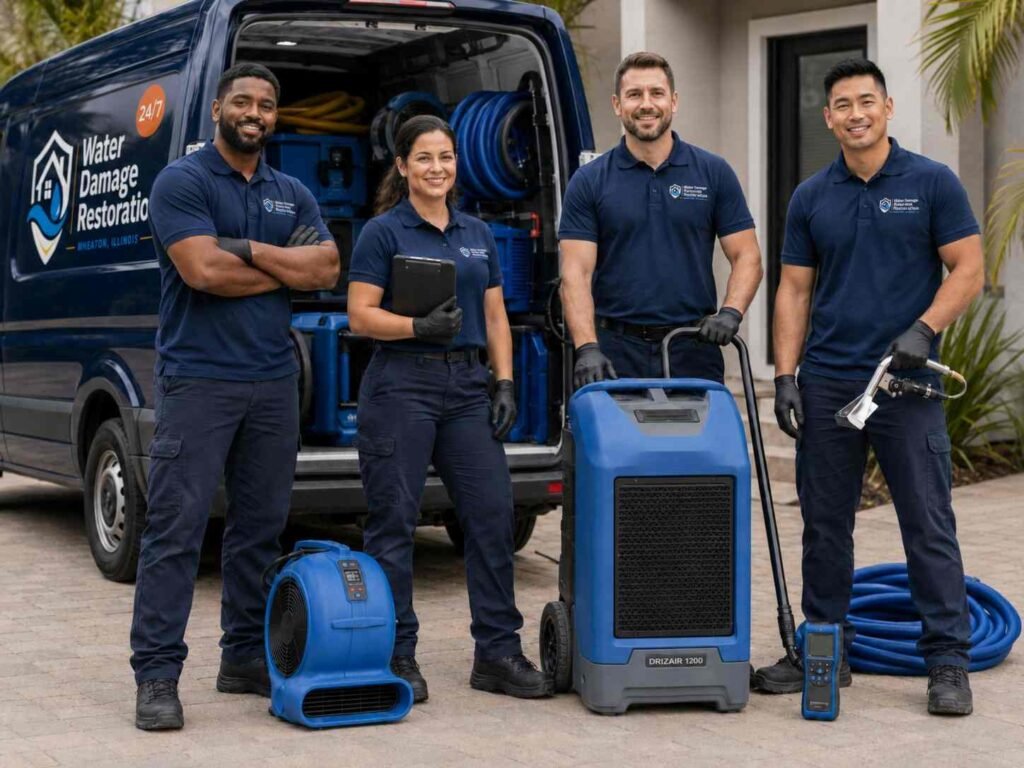
The objective is not simply to remove the puddle you can see. Professional extraction removes as much recoverable bulk water as conditions allow so the remaining moisture can be identified and addressed correctly.
If water is currently spreading through your property, contact us to begin the emergency assessment and extraction process.
Common Emergency Water Problems and the Correct Service Response
Water removal should follow the actual source, volume, materials, access, and safety conditions rather than a predetermined package.
🚨 Problem: water is still spreading
✔️ Response: identify the source and affected area, control accessible water entry when safe, then begin appropriate extraction.
🚨 Problem: carpet looks better but still feels wet
✔️ Response: evaluate and extract recoverable liquid water held in carpet, padding, flooring, and edges.
🚨 Problem: basement or lower area has deeper water
✔️ Response: larger accumulations may begin with pumping before detailed extraction.
🚨 Problem: water is near electrical equipment
✔️ Response: access and extraction depend on electrical and other safety conditions; do not enter an unsafe area.
🚨 Problem: the source may be contaminated
✔️ Response: sewage, drain backup, stormwater, or other contamination can change the cleanup and material-handling approach.
🚨 Problem: the visible water is gone
✔️ Response: check for remaining moisture beneath flooring, around wall bases, in padding, transitions, and porous materials.
Water Emergencies We Handle
Water can show up in many ways. We quickly remove standing water, dry affected areas, and help prevent further damage no matter the source.
☎ Available 24/7 • Fast Response
Burst and Leaking Pipes
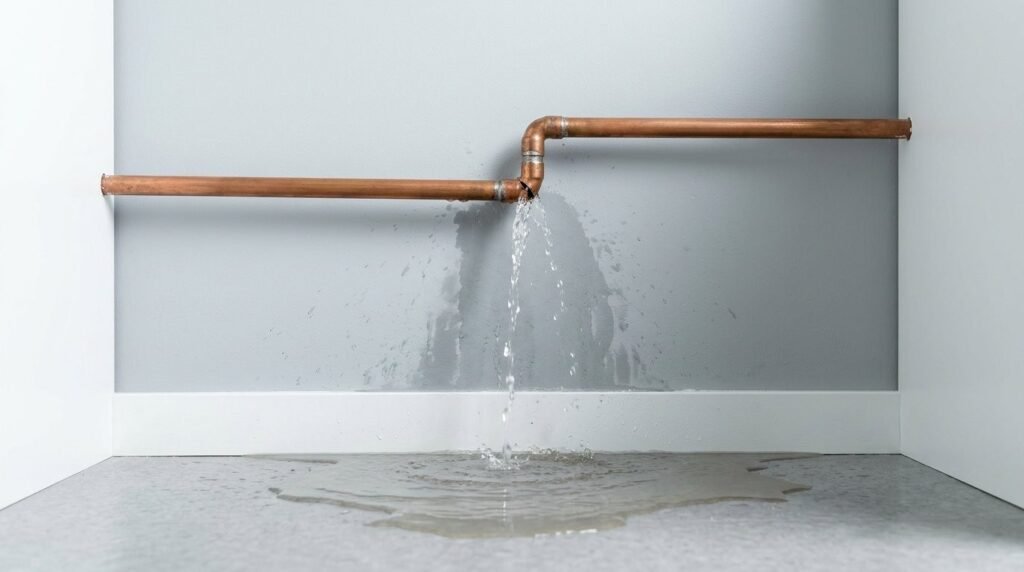
A failed supply line, frozen pipe, plumbing break, or unexpected leak can release water quickly across floors and into adjoining rooms. Once the source has been controlled and the area is safe to access, extraction focuses on removing the accumulated water and limiting additional migration.
Appliance and Water-Heater Leaks
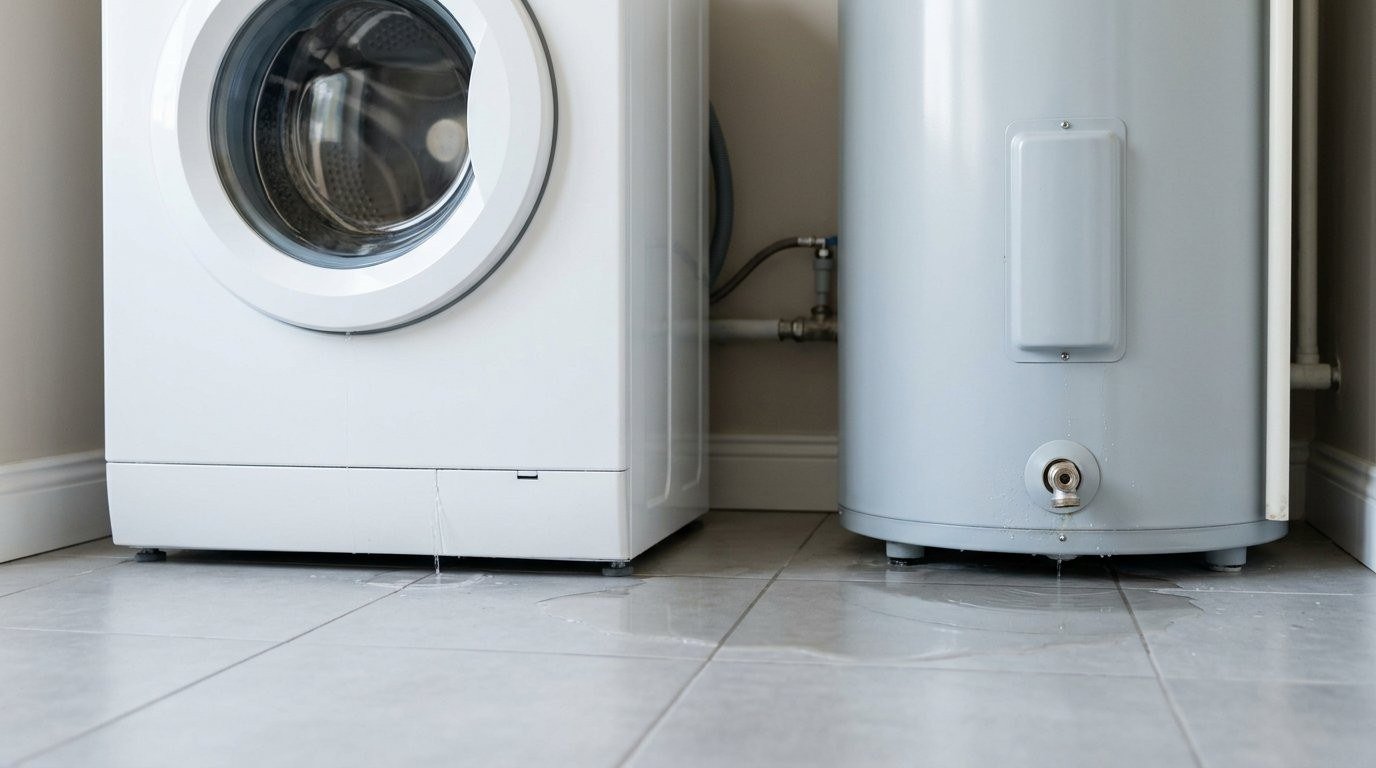
Washing machines, dishwashers, refrigerators, ice-maker lines, and water heaters can release more water than household towels or mops can reasonably remove. Professional extraction helps recover water from the floor surface as well as wet carpet, padding, and other affected materials.
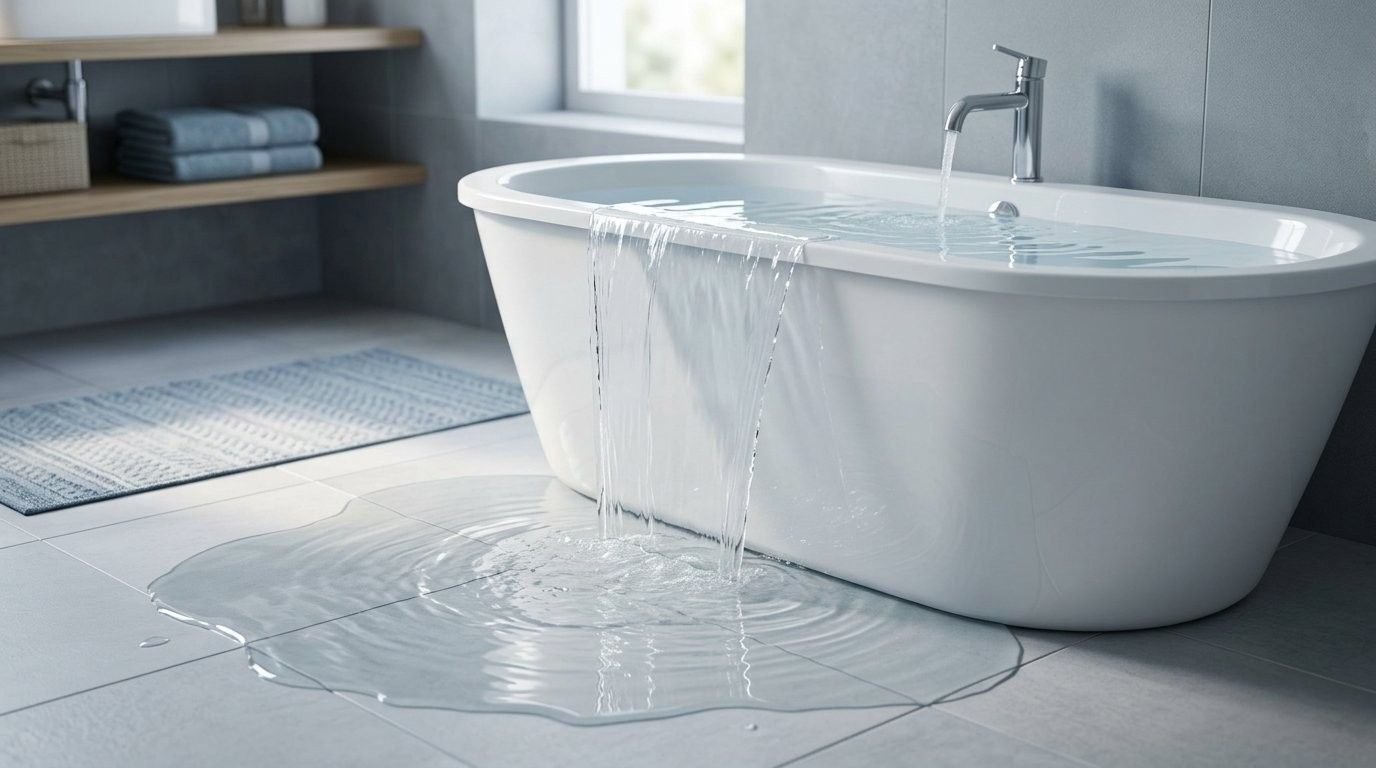
Overflowing Sinks, Tubs, and Fixtures
Fixture overflows may affect flooring, cabinets, wall edges, adjoining rooms, or the level below. The source and condition of the water are assessed before determining the appropriate extraction method.
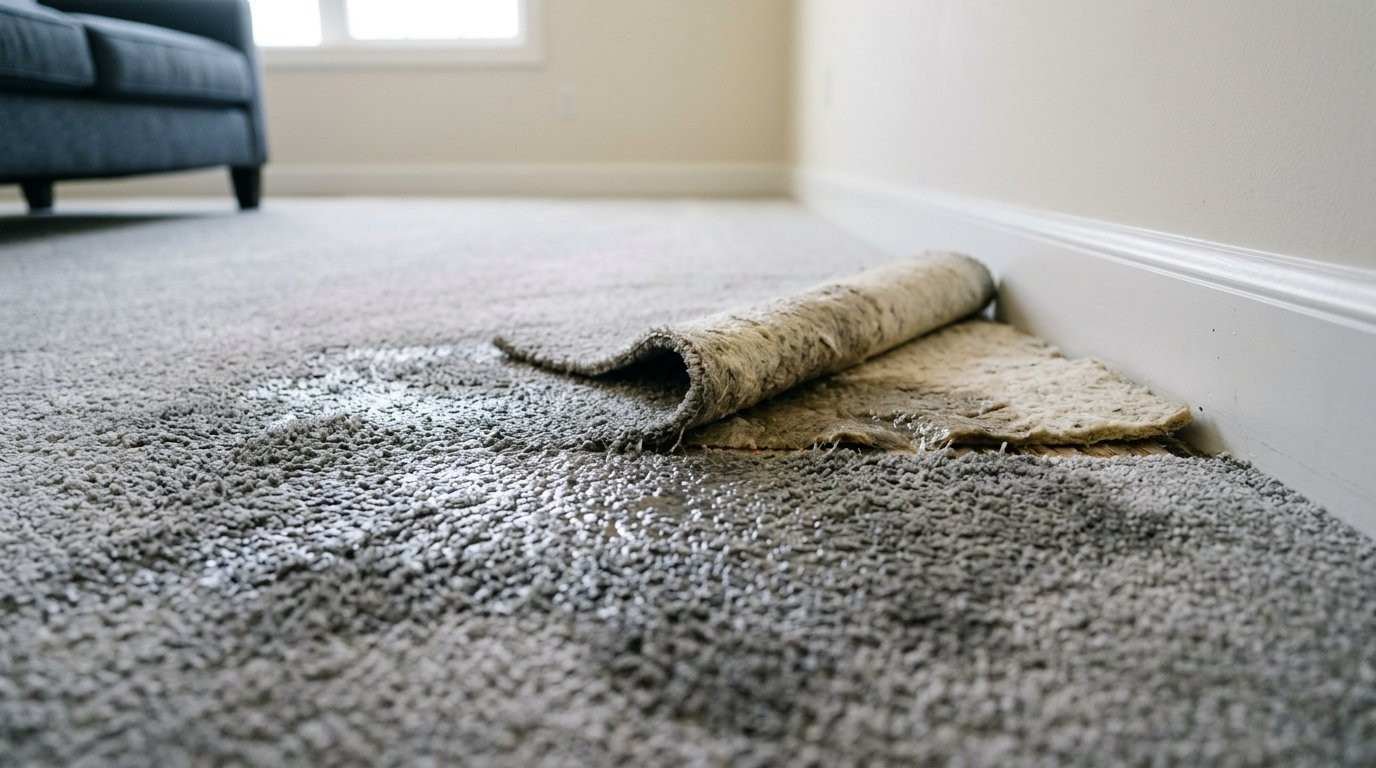
Saturated Carpet and Padding
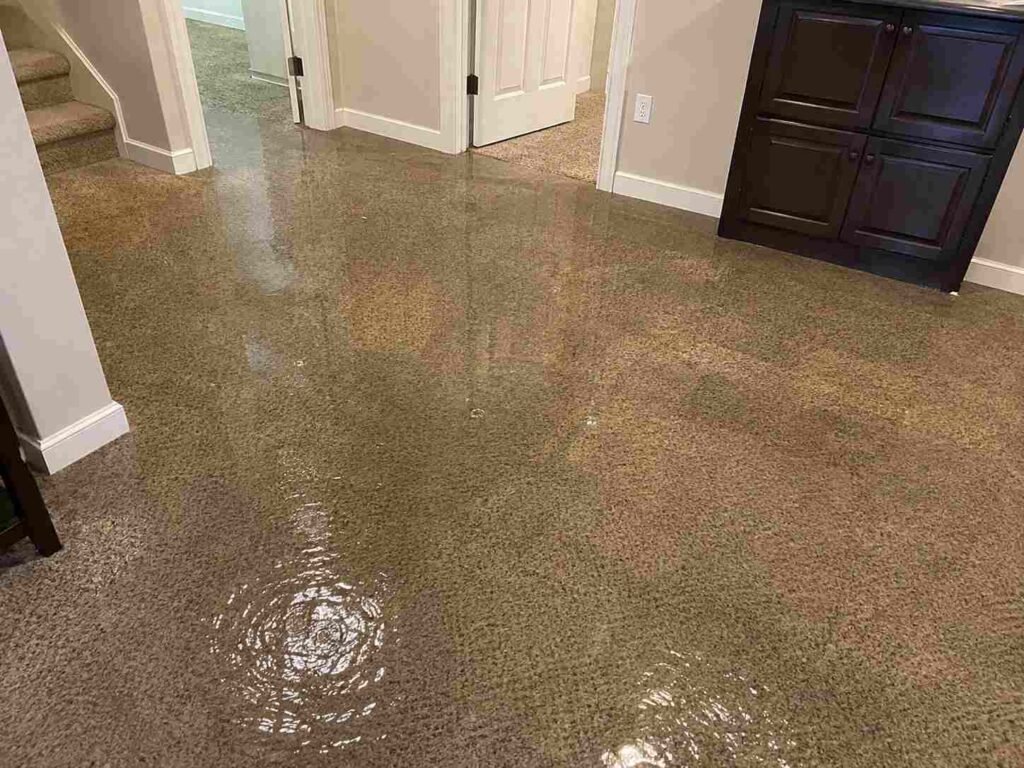
Carpet may stop showing visible puddles while substantial water remains held within the carpet system. Where conditions allow, extraction tools can remove recoverable water from carpet and padding. The underlying floor should still be evaluated afterward.
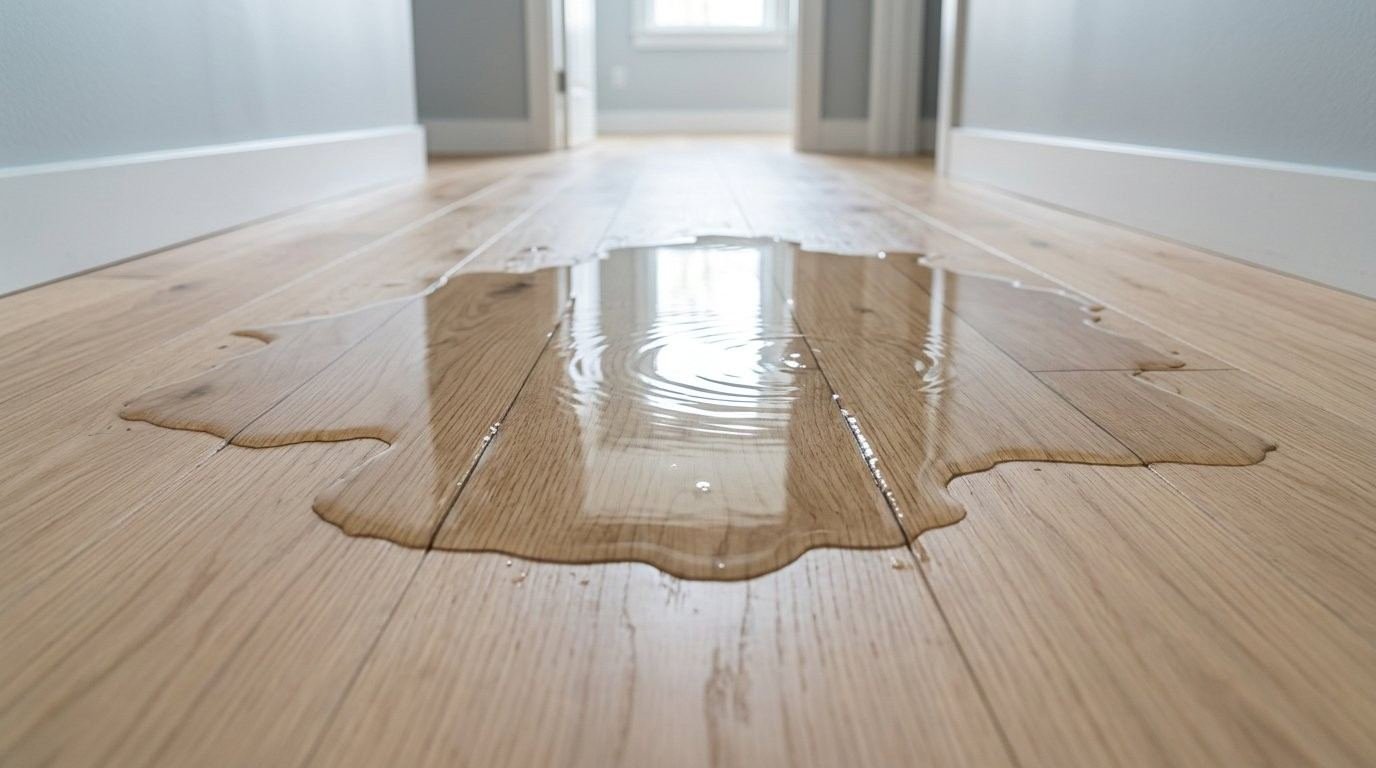
Water Across Hard Flooring
Water on tile and other hard surfaces can move rapidly toward seams, transitions, cabinets, wall bases, and nearby porous materials. Removing surface water is followed by an assessment of where that water may have traveled.
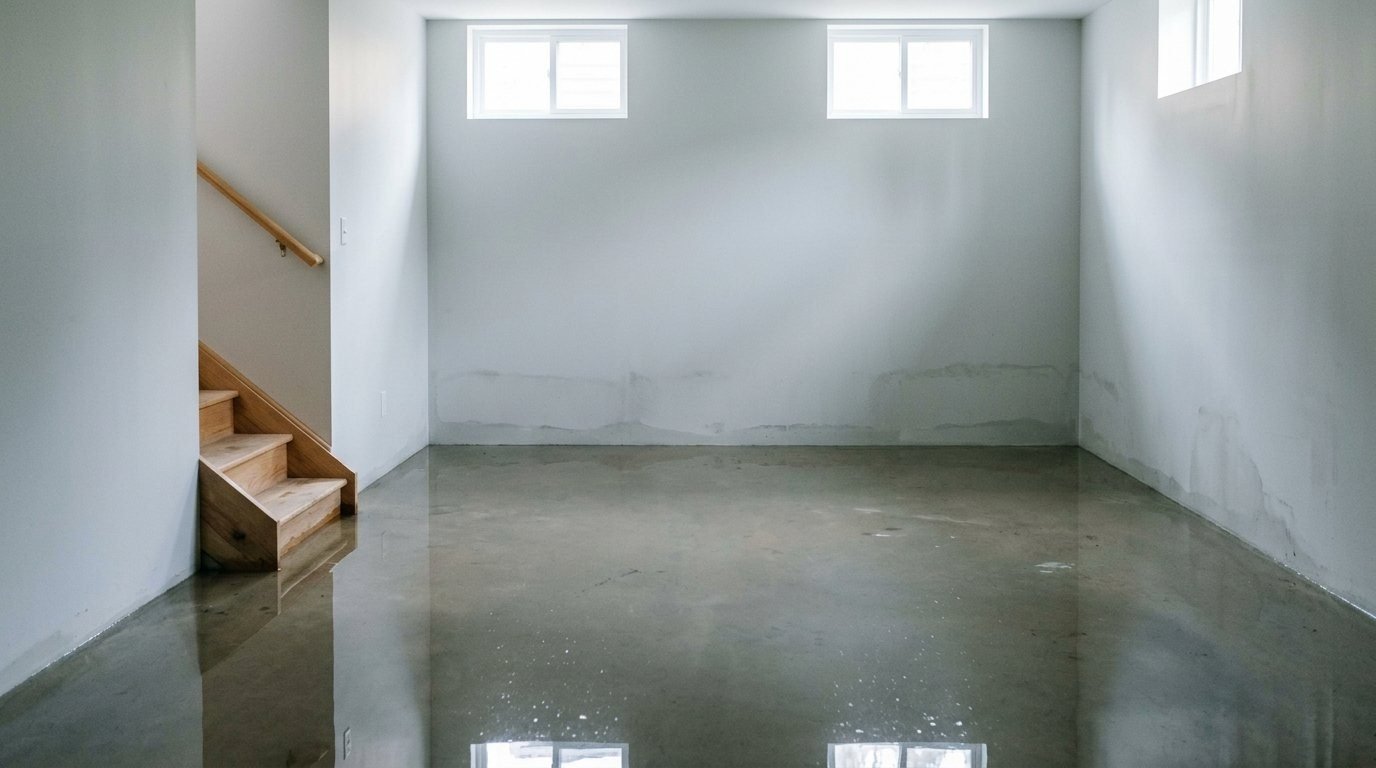
Water in Basements and Lower Areas
Water naturally collects at lower points in a property. Depending on depth and access, removal may begin with pumping before detailed extraction. Larger losses may need our Basement Flood Cleanup service.
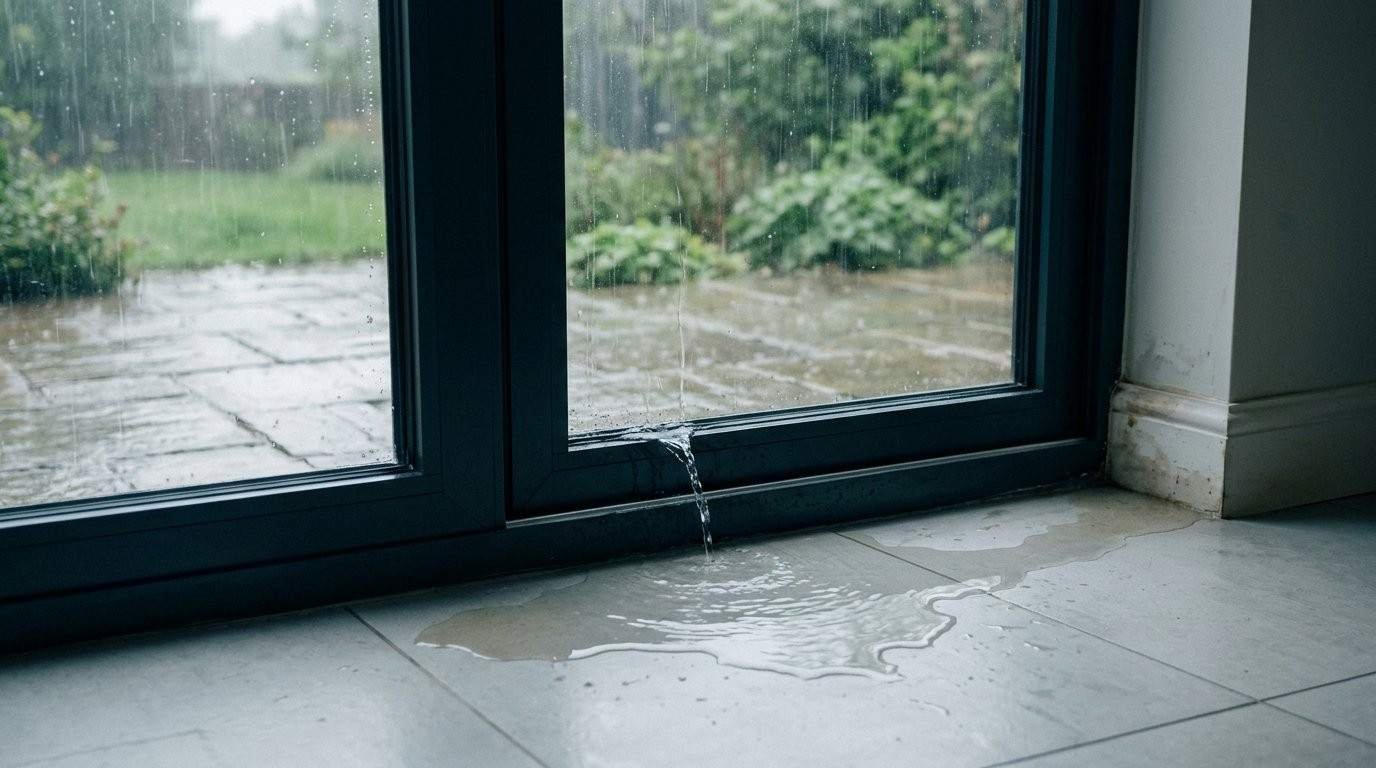
Rain and Exterior Water Intrusion
Rain or exterior water entry can leave significant standing water indoors. We can address extractable water when conditions permit. Widespread storm damage may require our Flood Damage Restoration & Cleanup service.
What Our Emergency Water Removal Service Includes
Initial Water-Damage Assessment
We inspect the affected area to determine where the water entered, how far it appears to have traveled, which materials are saturated, and what conditions could affect the extraction process.
Safety and Source Check
Before water removal begins, we consider active water entry, electrical concerns, possible contamination, unsafe access, and other conditions that could change how the loss should be handled. If an accessible water source can be safely controlled, stopping additional water is an important first step.
Standing Water Pump-Out
Larger accumulations of water may require pumping before detailed extraction can begin. Removing high-volume standing water reduces the amount left to migrate into surrounding materials.
Water Extraction From Wet Materials
Once major pooling is removed, extraction can focus on recoverable liquid water held in carpet, padding, flooring, floor edges, transitions, and other accessible affected materials.
Moisture Check After Extraction
Visible water removal does not automatically mean a building material is dry. After bulk water is extracted, the affected area is checked for moisture that may remain beneath flooring, around wall bases, inside carpet padding, along transitions, or in nearby porous materials.
Clear Handoff to the Next Service
Emergency extraction removes liquid water. It does not replace structural drying or complete water-damage restoration. When additional moisture remains, we explain the appropriate next stage so the loss can move into drying, cleanup, or restoration only where necessary.
Our Water Extraction Process
A proven, step-by-step approach to remove water, reduce damage, and get your property back on track.
Identify the Source and Affected Area
We determine where the water came from, whether it is still entering the property, where standing water is located, and which surrounding materials appear affected.
Check Safety and Water Conditions
Water near electrical systems, unstable materials, sewage, or other contamination can change how an area should be entered and handled.
Remove High-Volume Standing Water
When water has accumulated in greater depth, a suitable pump may be used to remove the bulk of the standing water efficiently.
Extract Water From Affected Materials
Extraction equipment is used where appropriate to recover liquid water from carpet, padding, flooring, and accessible wet areas.
Inspect for Remaining Moisture
We check for moisture that may remain under flooring, in carpet and padding, along wall edges, and in nearby materials.
Determine What Happens Next
If remaining moisture requires controlled drying, the property moves into the appropriate drying or restoration stage.
Fast Response. Less Damage.
Restoring More Than Property.
Professional Water Extraction Methods We Used For You
Pumps for Deeper Standing Water
Where a larger volume of water has accumulated, pumping can remove the majority of the water before surface and material extraction begins.
Portable Extraction Equipment
Portable extraction equipment can be useful when water is located upstairs, inside confined spaces, or in areas that are difficult to reach with larger equipment.
High-Capacity Extraction Equipment
For larger accessible losses, higher-capacity extraction systems remove substantial volumes of recoverable water efficiently. Our team uses truck-mounted extraction equipment for larger water-loss situations.
Carpet and Padding Extraction
Carpeted floors require more than surface water removal because water may be held in the fibers and underlying pad.
Moisture Detection
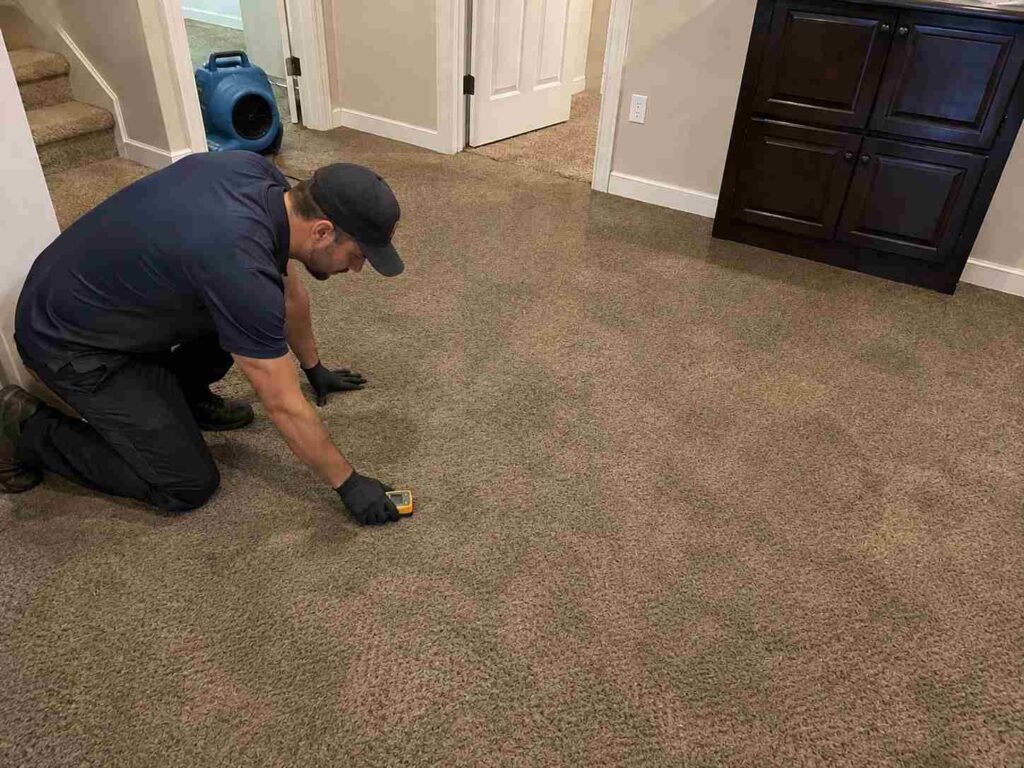
We use professional moisture meters and/or thermal imaging during the assessment to determine whether additional drying is required.
See Our Before and After Transformation Result
BEFORE EXTRACTION
AFTER BULK WATER EXTRACTION
Clean Water and Contaminated Water Require Different Decisions
- Water from a recently failed supply line may require a different response from sewage, drain backup, stormwater, or other potentially contaminated water
- Porous materials that can sometimes be retained after a clean-water loss may not be appropriate to save after contamination
- Do not walk through or attempt to vacuum water when sewage, electrical hazards, chemicals, structural instability, or another unsafe condition may be present
Water Extraction for Homes and Commercial Properties
We provide emergency water extraction for affected properties in Wheaton, including residential and commercial spaces where water needs to be removed quickly.
Residential Properties
Residential losses commonly involve kitchens, bathrooms, laundry rooms, basements, utility rooms, carpeted living areas, and water-heater locations.
Commercial Properties
Commercial losses may affect offices, retail areas, rental properties, common areas, workspaces, and other occupied facilities.
The same principle applies to both: control the immediate loss, remove recoverable water, determine where moisture remains, and establish the correct next step.
What Affects the Scope and Cost of Emergency Water Removal
There is no single price for every extraction job because the amount of work depends on the actual loss. Important factors that affect the cost include the following:
Amount of Water
A shallow localized loss requires a different level of equipment and labor from a room or lower level containing substantial standing water.
Area Affected
Water limited to one accessible area is different from water that has moved through multiple rooms or levels.
Materials Involved
Hard surfaces, carpet, padding, subflooring, and porous materials absorb and retain water differently.
Accessibility
Open floor areas are generally easier to extract than water underneath built-ins, around equipment, or in difficult lower spaces.
Water Source and Contamination
Potentially contaminated water may require additional safety procedures and material-handling decisions.
Time and Emergency Conditions
After-hours response, continuing water entry, difficult access, and other site conditions may affect the amount of work required.
The most accurate scope comes from evaluating the actual water volume, source, materials, access, and affected area rather than quoting the job from one visible puddle.
Need an extraction estimate? Call +1 (331) 200-4099 and tell us what caused the water, where it is located, and approximately how much area is affected.
What to Do Before the Water Extraction Team Arrives
- Stop an accessible water source without entering standing water
- Keep people and pets away from the affected area
- Avoid walking through water near outlets, wiring, appliances, or electrical equipment
- Avoid contact with sewage or potentially contaminated water
- Move unaffected valuables away from the water only when doing so is safe
- Take photographs of visible conditions if you may need documentation later
Why Choose Us for Water Extraction in Wheaton
Available for Water Emergencies
We provide 24/7 emergency water extraction when standing water requires immediate attention.
Extraction Based on the Actual Loss
The amount of water, materials involved, source, contamination conditions, and accessibility determine how extraction should proceed.
Focused on Removing Recoverable Water
Our first objective is to remove the liquid water that can be physically extracted before relying on drying equipment.
We Check Beyond the Visible Puddle
A floor can look dry while moisture remains in padding, seams, edges, or nearby porous materials. Post-extraction assessment helps determine whether more work is necessary.
Clear Scope and Next-Step Guidance
We keep emergency water extraction focused on emergency water extraction, and explain the transition when drying, flood cleanup, sewage cleanup, or broader restoration is needed.
Frequently Asked Questions
Emergency water extraction is the prompt removal of standing and recoverable liquid water from an affected property using pumps and extraction equipment. It is generally performed before the remaining moisture is addressed through structural drying.
Standing water should be addressed as soon as it can be done safely because water can continue moving into carpet, flooring, wall bases, subflooring, and other materials while it remains present.
No. Extraction physically removes liquid water. Drying addresses moisture retained inside materials after the recoverable water has been removed.
In many situations, recoverable water can be extracted from carpet and padding. Whether those materials can remain in place depends on the source and condition of the water, level of saturation, material condition, and what is found during the assessment.
Yes, accessible water can be removed from hard surfaces, but the surrounding seams, transitions, wall edges, and porous materials should also be evaluated because water may have traveled beyond the visible puddle.
Sewage and other contaminated water require a different cleanup approach. Avoid contact with the affected area and use a qualified contaminated-water or sewage-cleanup service.
A small wet/dry vacuum may remove limited clean water in some safe circumstances, but it does not replace professional extraction for significant saturation, widespread standing water, contaminated water, hidden moisture, or unsafe conditions. Never use an ordinary household vacuum on standing water.
Not necessarily. Extraction removes recoverable liquid water. Moisture may remain inside subflooring, drywall, wood, carpet padding, and other building materials. Those materials may require additional drying.
We can remove standing water from lower areas when the conditions and scope are appropriate for extraction. Larger basement floods, contaminated water, or losses requiring broader cleanup should transition to our Basement Flood Cleanup service.
Water volume, square footage, materials, access, contamination, equipment requirements, labor, and emergency conditions can all affect the extraction scope. An on-site assessment provides the most accurate basis for pricing.
If the immediate problem is standing or recoverable liquid water, extraction is usually the first service needed. If the property also requires structural drying, material removal, cleaning, reconstruction, or broader recovery, the work may continue under a water damage restoration scope.
Need Emergency Water Removed in Wheaton, IL?
Standing water does not have to cover an entire room to require professional attention.
If water from a pipe failure, appliance leak, fixture overflow, or another indoor emergency is standing or saturating materials inside your property, contact us for 24/7 emergency water removal in Wheaton. We will assess the affected area, determine how the water can be removed safely, extract accessible standing and recoverable liquid water, check where moisture remains, and explain the appropriate next step.